
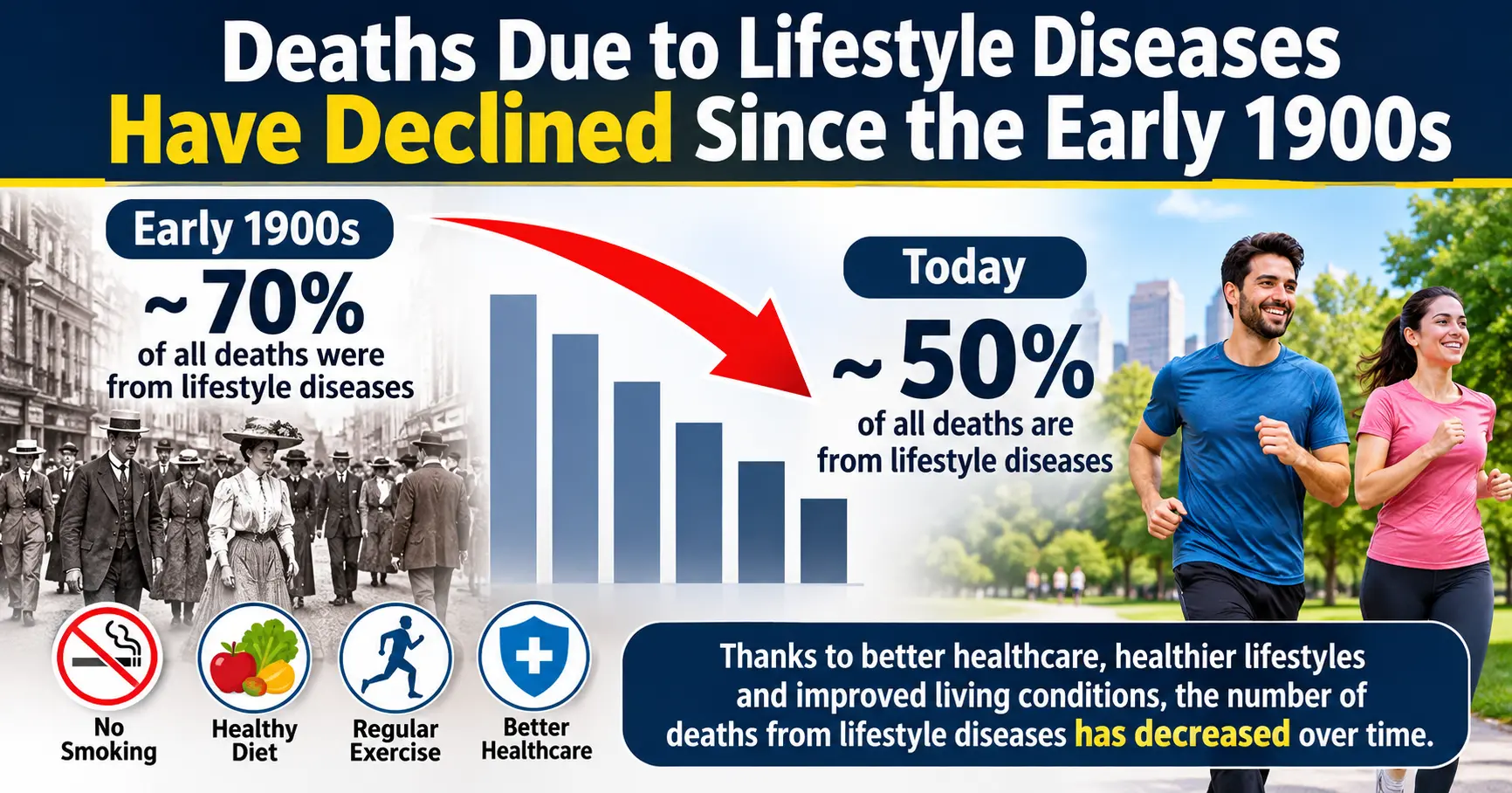
`The statement deaths due to lifestyle diseases have declined since the early 1900s is an interesting topic in the history of public health. However, it requires a closer examination because the history of human health is more complicated than a simple decline in disease-related deaths. Over the past century, medical science, public health systems, living conditions, and healthcare services have changed significantly. These developments have helped people live longer, reduced deaths from many infectious diseases, and improved the treatment of several chronic health conditions.
Lifestyle diseases, also known as noncommunicable diseases (NCDs), include conditions such as heart disease, type 2 diabetes, certain cancers, and chronic respiratory diseases. These conditions are influenced by several factors, including genetics, age, environmental conditions, diet, tobacco use, and physical activity.
Although medical progress has reduced the risk of dying from certain chronic diseases in many countries, lifestyle diseases have become major causes of illness and death worldwide. Therefore, the statement that deaths due to lifestyle diseases have declined since the early 1900s is not entirely accurate.
Understanding historical mortality trends helps explain why the leading causes of death have changed and how modern healthcare continues to influence human health. This article explores the history of lifestyle diseases, major medical developments, changing mortality patterns, important risk factors, and the role of prevention in improving public health.deaths due to lifestyle diseases have declined since the early 1900s.
What Are Lifestyle Diseases?
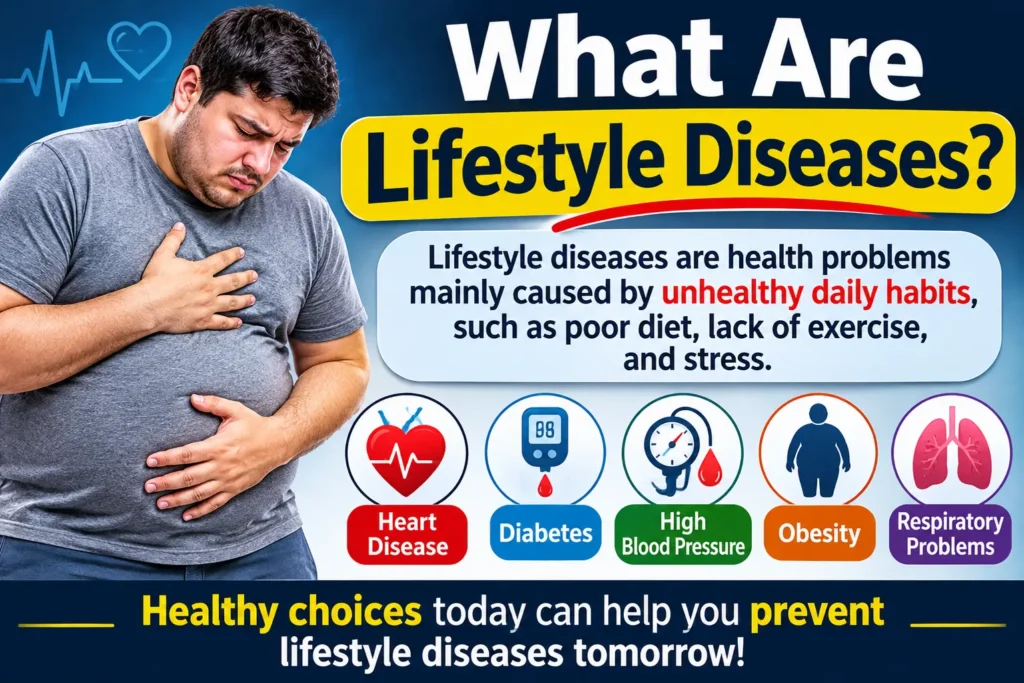
Lifestyle diseases are health conditions that develop through a combination of behavioral, genetic, environmental, and social factors. They are commonly associated with long-term habits and living conditions, although personal behavior is not the only reason someone develops a chronic illness.
Unlike infectious diseases, which can spread between people through microorganisms, most lifestyle-related conditions are not directly contagious.
These diseases often develop gradually. A person may experience changes in their health for years before noticeable symptoms appear. Early detection and appropriate medical care can help manage many of these conditions.
Common Examples of Lifestyle Diseases
Some of the most recognized lifestyle-related health conditions include:
1. Cardiovascular Diseases
Cardiovascular diseases affect the heart and blood vessels. They include coronary heart disease, heart attacks, and strokes. High blood pressure, tobacco use, unhealthy dietary patterns, and physical inactivity can increase cardiovascular risk.deaths due to lifestyle diseases have declined since the early 1900s.
2. Type 2 Diabetes
Type 2 diabetes affects how the body regulates blood glucose. It is associated with several factors, including genetics, age, metabolic health, and lifestyle conditions.
3. Certain Types of Cancer
Some cancers are associated with preventable risk factors, including tobacco exposure, alcohol consumption, certain infections, and environmental exposures. However, cancer is a diverse group of diseases, and many cases cannot be explained by lifestyle alone.
4. Chronic Respiratory Diseases
Conditions such as chronic obstructive pulmonary disease (COPD) affect the lungs and make breathing difficult. Tobacco smoke and air pollution are important risk factors.
5. Obesity-Related Health Conditions
Obesity is associated with an increased risk of several chronic conditions, including type 2 diabetes, cardiovascular disease, and some cancers. Genetics, food environments, socioeconomic conditions, and other factors also influence body weight and metabolic health.
These examples demonstrate why lifestyle diseases are an important subject in modern public health research.
Did Deaths Due to Lifestyle Diseases Decline Since the Early 1900s?
The short answer is that the statement is misleading.
Historical mortality statistics show that the leading causes of death changed considerably during the twentieth century. In the early 1900s, infectious diseases such as pneumonia, tuberculosis, influenza, and diarrheal diseases caused many deaths.
As sanitation, nutrition, vaccination, medical treatment, and living conditions improved, deaths from many infectious diseases declined.
At the same time, chronic conditions such as heart disease and cancer became more prominent causes of death.
This change is known as the epidemiological transition. It describes how the major causes of illness and death shift as populations experience improvements in living standards, public health, and healthcare.
However, the story does not end there.
In several countries, age-adjusted death rates from cardiovascular diseases have fallen considerably over recent decades. Better medical treatment, reduced smoking, improved diagnosis, and public health programs have contributed to this progress.
Therefore, some lifestyle-related disease death rates have declined, even though noncommunicable diseases remain responsible for a substantial proportion of deaths worldwide.
According to the World Health Organization, noncommunicable diseases caused at least 43 million deaths globally in 2021. This represented approximately 75% of non-pandemic-related deaths.
These figures show that chronic diseases remain a major international health challenge.
How Did Health Conditions Change During the Early 1900s?
The early twentieth century was very different from modern society. Healthcare services were limited in many regions, medical knowledge was less advanced, and many communities lacked reliable sanitation and clean drinking water.
People also faced infectious diseases that are now more preventable or treatable.
Infectious Diseases Were Major Causes of Death
During the early 1900s, diseases such as tuberculosis, pneumonia, influenza, and diarrheal infections were major causes of mortality.deaths due to lifestyle diseases have declined since the early 1900s.
Many people died from conditions that modern healthcare systems can often prevent, diagnose, or treat more effectively.
According to historical CDC research, pneumonia, tuberculosis, and diarrheal diseases were among the leading causes of death in the United States in 1900.
Together with diphtheria, these conditions accounted for approximately one-third of all deaths.
The situation gradually changed as public health authorities introduced better disease-control measures.
Limited Access to Modern Healthcare
Healthcare in the early twentieth century had important limitations.
For example:
- Antibiotics were not yet widely available.
- Vaccination programs were limited compared with modern programs.
- Diagnostic technologies were less developed.
- Emergency medical services were less advanced.
- Many communities had limited access to trained healthcare professionals.
- Public awareness of disease prevention was relatively low.
These challenges contributed to high mortality from several preventable and treatable conditions.
Living Conditions and Public Hygiene
Poor sanitation and unsafe drinking water also contributed to the spread of infectious diseases.
As governments invested in public water systems, sewage management, food safety, and hygiene education, communities became better protected from many infections.
These improvements played a significant role in changing historical death rates.
Why Did Lifestyle Diseases Become More Common?
As infectious disease mortality declined and life expectancy increased, chronic conditions became more prominent.
Several social and environmental changes contributed to this development.
1. Longer Life Expectancy
People began living longer because of improvements in sanitation, nutrition, medical services, and disease prevention.
Many chronic diseases become more common with increasing age. Consequently, longer life expectancy increased the number of people living with conditions such as cardiovascular disease, cancer, and diabetes.
This does not mean longer life expectancy caused all chronic diseases. Rather, more people survived childhood and infectious illnesses and reached ages when chronic conditions were more likely to develop.
2. Changes in Dietary Habits
Food availability and eating patterns changed significantly during industrialization and urban development.
In some populations, traditional dietary patterns were replaced by diets containing more processed foods, added sugars, sodium, and unhealthy fats.
Poor dietary patterns can contribute to high blood pressure, metabolic problems, and cardiovascular disease.
However, dietary habits differ across countries and communities, so historical changes cannot be explained by one universal pattern.
3. Reduced Physical Activity
Modern transportation, office-based employment, and technology have changed how people work and travel.
Many individuals now spend more time sitting compared with people whose occupations involved physical labor.
Regular physical activity supports cardiovascular health, metabolic function, and overall well-being.
Long periods of inactivity can contribute to several chronic health risks.deaths due to lifestyle diseases have declined since the early 1900s.
4. Tobacco Consumption
Tobacco use became an important public health concern during the twentieth century.
Smoking increases the risk of cardiovascular diseases, lung cancer, and chronic respiratory conditions.
As research established the harmful effects of smoking, governments introduced public awareness campaigns, advertising restrictions, and tobacco-control policies.
The decline in smoking in several countries has contributed to improvements in cardiovascular health and reductions in certain cancer risks.
5. Urbanization and Environmental Changes
Urbanization has improved access to education, employment, healthcare, and public services in many regions.
However, it has also introduced new health challenges.deaths due to lifestyle diseases have declined since the early 1900s.
Air pollution, sedentary occupations, changing food environments, and limited opportunities for physical activity can contribute to chronic disease risks.
These changes help explain why noncommunicable diseases became more important in modern public health discussions.
The Role of Medical Advancements in Reducing Death Rates
Medical progress has transformed the prevention, diagnosis, and treatment of many diseases.
Although lifestyle diseases remain common, people with chronic conditions now have access to treatments and healthcare technologies that were unavailable to previous generations.
Development of Better Diagnostic Technologies
Modern diagnostic technologies help healthcare professionals identify health problems earlier.deaths due to lifestyle diseases have declined since the early 1900s.
Examples include:
- Blood pressure monitoring.
- Blood glucose testing.
- Cholesterol testing.
- Electrocardiograms.
- Medical imaging.
- Cancer screening.
- Advanced laboratory testing.
Early detection can allow patients and healthcare professionals to make informed decisions about treatment and disease management.
Improved Cardiovascular Treatment
Cardiovascular disease is one of the leading causes of death worldwide.deaths due to lifestyle diseases have declined since the early 1900s.
Over time, researchers have developed better ways to identify and manage cardiovascular risk factors.
Modern treatment options include medications for high blood pressure and cholesterol, emergency treatment for heart attacks, surgical procedures, and cardiac rehabilitation.
These developments have improved outcomes for many patients.
Our World in Data reports that the age-standardized cardiovascular disease death rate in the United States fell from more than 500 deaths per 100,000 people in 1950 to fewer than 150 in 2020.
This example demonstrates that mortality rates from certain lifestyle-related diseases can decline substantially when prevention and medical treatment improve.
Better Diabetes Management
Diabetes treatment has also advanced considerably.
Modern healthcare provides several ways to monitor blood glucose and manage the condition.
These include:
- Blood glucose monitoring systems.
- Continuous glucose monitoring devices.
- Insulin therapy.
- Oral diabetes medications.
- Regular medical assessments.
- Education about diabetes management.
Although diabetes remains a significant health challenge, these developments help many people manage their condition and reduce complications.
Improved Cancer Detection and Treatment
Cancer research has introduced important advances in screening, diagnosis, surgery, radiation therapy, and medication.
The effectiveness of treatment depends on the cancer type, stage, and individual circumstances.
Early diagnosis can improve treatment opportunities for many cancers.
Research continues to develop more effective ways to prevent, detect, and treat different forms of cancer.
Understanding the Difference Between Total Deaths and Death Rates
One of the most important aspects of historical mortality research is understanding the difference between total deaths and death rates.
These two measurements can produce very different conclusions.deaths due to lifestyle diseases have declined since the early 1900s.
What Are Total Deaths?
Total deaths refer to the actual number of people who die from a particular disease during a specific period.
For example, if a country records 100,000 deaths from heart disease in one year, that number represents the total deaths for that period.
The number can increase as the population grows, even if the individual risk of dying from the disease decreases.
What Is a Death Rate?
A death rate measures the number of deaths in relation to the size of a population.
It is commonly expressed as deaths per 100,000 people.
This measurement allows researchers to compare mortality between populations of different sizes.
What Is an Age-Adjusted Death Rate?
Age-adjusted mortality rates account for differences in population age structures.
This is particularly important when comparing historical health statistics.
For example, a country with a larger elderly population may experience more deaths from cardiovascular diseases because these conditions become more common with age.
Age adjustment helps researchers make fairer comparisons between populations and periods.deaths due to lifestyle diseases have declined since the early 1900s.
Understanding these measurements is essential when discussing whether deaths due to lifestyle diseases have declined since the early 1900s.
A decline in an age-adjusted death rate does not necessarily mean that the total number of deaths has also decreased.
Major Lifestyle Disease Trends Over the Last Century
Different chronic diseases have followed different historical patterns.
It is important to examine them individually rather than assuming that all lifestyle diseases have increased or decreased in the same way.
Cardiovascular Diseases
Heart disease and stroke have been major causes of death in many countries for decades.
In the United States, cardiovascular mortality increased in prominence during the first half of the twentieth century.
Later, cardiovascular death rates declined significantly as medical treatment, smoking prevention, screening, and public health initiatives improved.
This decline demonstrates that long-term prevention and healthcare investment can produce meaningful results.
However, cardiovascular diseases continue to cause millions of deaths globally.deaths due to lifestyle diseases have declined since the early 1900s.
Cancer
Cancer mortality trends vary according to the type of cancer, population, age group, and country.
Some cancers have experienced significant improvements in survival because of earlier diagnosis and better treatment.
In Australia, the age-standardized cancer death rate has fallen by approximately one-third since its 1985 peak, according to the Australian Institute of Health and Welfare.
Nevertheless, cancer remains a major cause of death worldwide.
Diabetes
Diabetes has become a major public health concern in many parts of the world.
Changes in diet, physical activity, population ageing, and other social and genetic factors influence diabetes prevalence.
Although treatment has improved, diabetes can lead to serious complications affecting the heart, kidneys, eyes, and nervous system.
Early diagnosis and appropriate medical care are important for reducing these risks.
Chronic Respiratory Diseases
Chronic respiratory conditions include COPD and other long-term lung diseases.
Smoking is a major risk factor for COPD, while air pollution and occupational exposures can also contribute to respiratory problems.
Public awareness of tobacco-related health risks and improved medical treatment have helped address some of these conditions.
However, respiratory diseases remain a significant health concern.
Important Factors That Influence Lifestyle Disease Mortality
Lifestyle disease mortality is influenced by several connected factors.deaths due to lifestyle diseases have declined since the early 1900s.
Understanding these factors helps explain why mortality patterns differ between countries and populations.
Unhealthy Dietary Patterns
A diet containing excessive amounts of salt, added sugar, and certain unhealthy fats can contribute to chronic health risks.
Poor dietary patterns may increase the likelihood of developing high blood pressure, type 2 diabetes, and cardiovascular conditions.
A balanced dietary pattern can support long-term health.
Physical Inactivity
Regular physical activity supports heart health, metabolic function, and general fitness.
A sedentary lifestyle can increase the risk of developing certain chronic diseases.
Public health organizations encourage people to include suitable physical activity in their daily routines.
Tobacco Use
Tobacco use is a major preventable risk factor for several noncommunicable diseases.
It is associated with cardiovascular disease, respiratory illness, and various cancers.
Reducing tobacco exposure is an important public health priority.
Harmful Alcohol Consumption
Harmful alcohol consumption is associated with several health problems, including liver disease, certain cancers, and cardiovascular conditions.
Reducing alcohol-related harm is an important part of chronic disease prevention.
Air Pollution
Air pollution can affect the respiratory and cardiovascular systems.
Long-term exposure to polluted air increases the risk of several health conditions.
Cleaner transportation, industrial regulation, and improved air-quality monitoring can help reduce exposure.
Genetic and Environmental Factors
Not every lifestyle disease is caused by personal habits.
Family history, inherited characteristics, age, environmental exposure, and access to healthcare also influence disease risk.
This is why public health professionals consider multiple factors when studying chronic diseases.
How Public Health Programs Help Reduce Lifestyle Disease Deaths
Public health programs focus on preventing diseases before they develop and improving outcomes for people who already have medical conditions.
These programs can operate at local, national, and international levels.
Health Education
Health education helps people understand the relationship between daily habits and long-term health.
Schools, hospitals, community organizations, and public health agencies can provide information about disease prevention.
Educational programs may cover:
- The importance of balanced nutrition.
- The health risks associated with tobacco.
- The benefits of regular physical activity.
- The importance of routine health assessments.
- Recognizing common disease risk factors.
Early Screening and Detection
Screening programs help identify certain health conditions before serious symptoms appear.
Depending on individual circumstances, healthcare professionals may recommend blood pressure checks, cholesterol testing, diabetes screening, and age-appropriate cancer screening.
Early detection can improve the opportunity for effective treatment.
Better Healthcare Access
Access to affordable healthcare is important for preventing avoidable deaths.
People need access to qualified healthcare professionals, diagnostic services, medicines, and follow-up treatment.
Healthcare inequalities can increase the burden of chronic diseases, particularly in communities with limited resources.
Government Health Policies
Governments can support healthier communities through public policies.
Examples include:
- Tobacco-control regulations.
- Clean-air initiatives.
- Food safety standards.
- Health education campaigns.
- Accessible healthcare services.
- Community facilities for physical activity.
These measures can reduce exposure to preventable risk factors.deaths due to lifestyle diseases have declined since the early 1900s.
How Individuals Can Support Long-Term Health
Preventing every disease is impossible, but certain everyday habits can help reduce the risk of developing several chronic conditions.
1. Follow a Balanced Diet
Eating a variety of nutritious foods supports overall health.
A balanced eating pattern can include vegetables, fruits, whole grains, protein-rich foods, and suitable sources of healthy fats.
Limiting excessive salt and added sugar can also support cardiovascular and metabolic health.
2. Stay Physically Active
Regular physical activity supports heart health, muscle strength, and metabolic function.
Walking, cycling, swimming, recreational sports, and other enjoyable activities can contribute to an active lifestyle.
The appropriate activity level depends on a person’s age, health, and individual circumstances.
3. Avoid Tobacco
Avoiding tobacco products is one of the most important steps in reducing preventable chronic disease risks.
It supports respiratory health and lowers the risk of several cardiovascular diseases and cancers.
4. Prioritize Sleep
Sleep plays an important role in physical and mental well-being.
Regular sleep patterns support several body functions, including metabolic regulation and cardiovascular health.
5. Attend Appropriate Medical Checkups
Routine medical assessments can help identify certain health concerns before they become more serious.
Healthcare professionals can recommend appropriate screening based on age, family history, symptoms, and other risk factors.
6. Maintain Healthy Daily Habits
Long-term health is influenced by consistent habits rather than one-time decisions.
A supportive environment, balanced routines, access to nutritious food, and opportunities for physical activity can all contribute to better health outcomes.
Why Lifestyle Diseases Remain a Global Health Challenge
Despite major improvements in medicine, lifestyle diseases continue to affect millions of people.
The World Health Organization identifies cardiovascular diseases, cancers, chronic respiratory diseases, and diabetes as major groups of noncommunicable diseases.
Its published 2021 estimates show that:
- At least 43 million people died from noncommunicable diseases.
- Approximately 19 million deaths were attributed to cardiovascular diseases.
- Around 10 million deaths were attributed to cancers.
- Approximately 4 million deaths were attributed to chronic respiratory diseases.
- Diabetes caused more than 2 million deaths when associated kidney disease deaths were included.
These statistics demonstrate that medical progress has not eliminated the global burden of chronic illness.
Inequality in Healthcare Access
People living in low- and middle-income countries experience a disproportionate share of noncommunicable disease deaths.
Some communities face limited access to screening, diagnostic services, affordable medicines, and specialist treatment.
These inequalities can increase the likelihood that chronic conditions are diagnosed late or managed inadequately.
Growing and Ageing Populations
Population growth and ageing also influence the number of deaths from chronic conditions.
As more people reach older ages, the number of individuals at risk of age-related diseases can increase.
This makes it important to distinguish population growth from changes in individual mortality risk.
Modern Environmental Challenges
Air pollution, urban development, changing food environments, and sedentary working patterns create additional public health challenges.
Addressing these issues requires cooperation between healthcare professionals, governments, researchers, and communities.
What Does Historical Mortality Research Teach Us?
Research into deaths during the early 1900s and modern times provides several important lessons.
First, improvements in sanitation, clean water, nutrition, and vaccination can have a major effect on public health.
Second, medical advancements can reduce the risk of death from diseases that were previously difficult to treat.
deaths due to lifestyle diseases have declined since the early 1900s.
Fourth, chronic disease prevention requires more than medical treatment. Education, healthier environments, early screening, and accessible healthcare also matter.
Finally, mortality trends differ across diseases and countries. A decline in one disease does not automatically indicate a decline in every other health condition.
These lessons are important for understanding the statement that deaths due to lifestyle diseases have declined since the early 1900s.
The most accurate conclusion is that many infectious disease death rates declined dramatically, while certain chronic disease death rates have also fallen in more recent decades. However, lifestyle diseases remain a major cause of global mortality.
Frequently Asked Questions (FAQs)
1. Have deaths due to lifestyle diseases declined since the early 1900s?
The statement is not completely accurate. Deaths from many infectious diseases declined substantially during the twentieth century. Some lifestyle-related disease death rates, particularly cardiovascular mortality in several countries, have also declined in recent decades. However, noncommunicable diseases remain responsible for a large proportion of global deaths.
2. What are the most common lifestyle diseases?
Common examples include cardiovascular diseases, type 2 diabetes, certain cancers, and chronic respiratory diseases. These conditions are influenced by behavioral, genetic, environmental, and social factors.
3. Why did infectious disease deaths decline during the twentieth century?
Improved sanitation, clean drinking water, better nutrition, vaccination programs, public health education, and medical treatments contributed to the reduction in deaths from many infectious diseases.
4. Why did chronic diseases become more common?
Increasing life expectancy, population ageing, changing dietary patterns, tobacco consumption, physical inactivity, and environmental factors contributed to the growing importance of chronic diseases.
5. Are lifestyle diseases preventable?
Some lifestyle-related risks can be reduced through healthier habits, preventive healthcare, and supportive environments. However, not every chronic disease can be prevented because genetics, age, and other uncontrollable factors also influence health.
6. Which lifestyle disease causes the most deaths worldwide?
Cardiovascular diseases are the largest category of noncommunicable disease deaths worldwide. They include conditions such as heart attacks and strokes.deaths due to lifestyle diseases have declined since the early 1900s.
7. How has modern medicine reduced cardiovascular deaths?
Improved diagnosis, blood pressure management, cholesterol treatment, emergency cardiac care, surgical procedures, and public health programs have contributed to lower cardiovascular death rates in many countries.
8. What is the difference between infectious and noncommunicable diseases?
Infectious diseases are caused by pathogens such as viruses, bacteria, and parasites. Noncommunicable diseases are generally not spread directly from person to person and often develop through a combination of genetic, behavioral, and environmental factors.
9. What does age-adjusted mortality mean?
Age-adjusted mortality is a statistical measurement that accounts for differences in population age structures. It helps researchers compare death rates between countries or historical periods more fairly.
10. Why are lifestyle diseases still a major health concern?
They affect millions of people, can develop over many years, and often require long-term treatment. Unequal healthcare access, environmental risks, and preventable behavioral factors also contribute to their continuing global burden.
11. Can lifestyle diseases affect younger people?
Yes. Some chronic conditions can develop in younger people, although many become more common with increasing age. Genetics, environmental conditions, and other risk factors can influence when a disease develops.
12. How can governments reduce deaths from lifestyle diseases?
Governments can invest in healthcare access, disease screening, health education, tobacco-control policies, cleaner environments, and community programs that support healthier living conditions.
Conclusion
The history of public health shows that mortality patterns have changed dramatically since the early 1900s. Better sanitation, improved nutrition, vaccination, medical research, and modern healthcare have helped reduce deaths from many infectious diseases and increased life expectancy in numerous countries.
However, the statement deaths due to lifestyle diseases have declined since the early 1900s requires an important distinction. Some chronic disease death rates have decreased, particularly when measured using age-adjusted statistics in countries with improved healthcare and prevention programs. At the same time, lifestyle-related diseases have become major causes of death worldwide.
Cardiovascular diseases, diabetes, certain cancers, and chronic respiratory conditions continue to create significant public health challenges.
Understanding these historical changes helps explain why disease prevention, early diagnosis, medical research, and accessible healthcare remain essential. The most useful lesson is not that lifestyle diseases have disappeared, but that continued improvements in public health can reduce preventable illness and help people live longer, healthier lives.
[…] Horror Game Baseball Lifestyle Men’s Taco Shorts: Design, Comfort, Fit, and Styling Guide Deaths Due to Lifestyle Diseases Have Declined Since the Early 1900s: Understanding the Facts Wrongful Death Due to Negligence Attorney: A Complete Guide to Legal Rights, Claims, and […]