
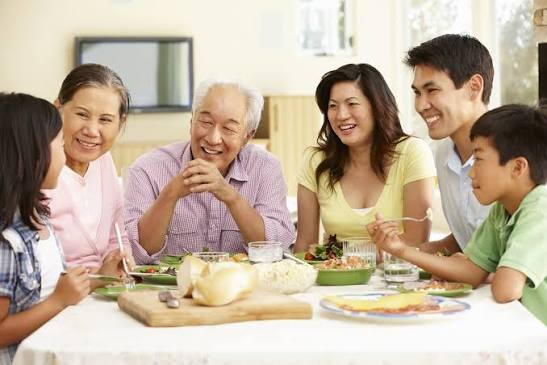
Family traditions are an important part of creating a sense of belonging. They connect generations, preserve meaningful experiences, and give relatives opportunities to spend quality time together. From weekly dinners to annual vacations, shared activities can become valuable memories that families appreciate throughout their lives.
Traditions do not have to be complicated or expensive. Their real importance comes from consistency, participation, and the relationships they help strengthen.
Understanding the Value of Family Traditions
Traditions provide families with familiar experiences that bring people together. They create opportunities for relatives to interact beyond everyday responsibilities.
For children, these activities can provide a sense of stability and belonging. Repeated experiences help them understand the importance of family relationships and develop positive memories.
Adults also benefit from traditions because they offer opportunities to reconnect with relatives despite professional and personal commitments.
Older family members often appreciate traditions because they provide a way to share cultural knowledge, personal stories, and valuable experiences with younger generations.
Start With Simple Weekly Activities
A family does not need to organize a major event to establish a tradition.
Small weekly activities can be equally meaningful. For example, families might arrange a special dinner every Friday, watch a movie together on weekends, or take an evening walk.
These activities encourage communication and create regular opportunities for relatives to spend time together.
A shared cooking day is another practical idea. Different family members can prepare meals, exchange recipes, and learn new skills.
The most important factor is choosing something enjoyable that everyone can participate in comfortably.
Celebrate Important Milestones Together
Birthdays, anniversaries, graduations, and personal achievements are excellent opportunities to create family traditions.
Some families prefer large celebrations, while others enjoy quiet gatherings at home.
Regardless of the format, recognizing important milestones shows relatives that their achievements and experiences matter.
Families can introduce special traditions such as preparing a favorite meal for birthdays, creating annual photographs, or writing short messages for someone celebrating an important achievement.
These activities help turn ordinary occasions into meaningful memories.
Preserve Family History Through Storytelling
Every family has stories worth preserving. Older relatives often remember childhood experiences, historical events, traditional recipes, and important family milestones.
Sharing these stories allows younger generations to understand their background and appreciate the experiences of previous generations.
Families can organize storytelling evenings where grandparents, parents, and other relatives share interesting memories.
Another idea is to create a digital family archive containing photographs, written stories, recipes, and important dates.
This collection can become a valuable resource for future generations.
Make Holidays More Meaningful
Holidays provide natural opportunities for family traditions. Different cultures celebrate occasions in unique ways, but many celebrations share common elements such as food, decorations, music, and spending time together.
Families can develop their own customs by combining established cultural practices with new activities.
For example, relatives might prepare a special dish every year, decorate their home together, exchange handwritten messages, or organize a family game night.
Children can participate by helping with decorations and simple preparations.
Giving everyone a role makes celebrations more engaging and encourages cooperation.
Use Creativity to Strengthen Family Identity
A strong family identity can develop through shared expressions, humor, stories, and traditions.
Some families enjoy creating personalized clothing for reunions, designing photo albums, or preparing matching decorations for special events.
Others prefer digital activities that allow relatives to participate from different locations.
For example, a private family messaging community can become a place for sharing announcements, photographs, recipes, and celebration plans.
Choosing an appropriate name for this online space can make it feel more personal. Families looking for inspiration can browse these family group name ideas to find creative options that represent their shared personality.
The selected name could reflect family humor, cultural heritage, a common interest, or a memorable expression that everyone recognizes.
Encourage Every Family Member to Participate
Traditions become more enjoyable when everyone has an opportunity to contribute.
Instead of allowing one person to organize everything, families can divide responsibilities according to individual interests.
Children might choose games, teenagers could prepare music playlists, and adults may organize meals or transportation.
Older relatives can suggest traditional activities or share recipes that have been passed down through generations.
When people feel included in the planning process, they are more likely to appreciate the experience.
Adapt Traditions as Families Change
Family circumstances naturally change over time. Children grow older, relatives move to different locations, and professional responsibilities may affect everyone’s availability.
Traditions should be flexible enough to adapt to these changes.
A weekly gathering may eventually become a monthly dinner. An annual reunion might move to a different location. Families separated by distance may introduce video calls as part of their celebrations.
Keeping the original purpose while adjusting the format allows traditions to continue.
It is also perfectly acceptable to introduce new activities when existing ones no longer suit everyone’s needs.
Create Memories Through Shared Experiences
Shared experiences often become more meaningful than expensive gifts.
A weekend picnic, family sports competition, road trip, or group cooking activity can provide opportunities for laughter and cooperation.
Families can also organize community activities such as volunteering, cleaning public spaces, or supporting local charitable events.
These experiences teach important values while strengthening relationships.
Taking photographs and recording special moments can help preserve memories for years to come.
The Importance of Appreciation and Respect
Healthy traditions should make everyone feel welcome and appreciated.
Family members have different personalities, interests, and expectations. Some may enjoy large gatherings, while others prefer quieter activities.
Respecting these differences helps create a positive atmosphere.
It is also important to recognize individual contributions. Thanking someone for preparing food, organizing an event, or simply making time to attend can encourage stronger relationships.
Small gestures of appreciation often have a lasting impact.
Conclusion
Family traditions create opportunities for relatives to connect, share experiences, and preserve meaningful memories. Whether families organize weekly dinners, celebrate special occasions, exchange stories, or participate in community activities, consistent shared experiences can strengthen relationships.
The best traditions are those that reflect the family’s values and include members of different generations.
By remaining flexible, encouraging participation, and making time for one another, families can develop traditions that continue to bring happiness and connection for many years.
 asad_writer
 DIGITAL EMPIRE AGENCY