
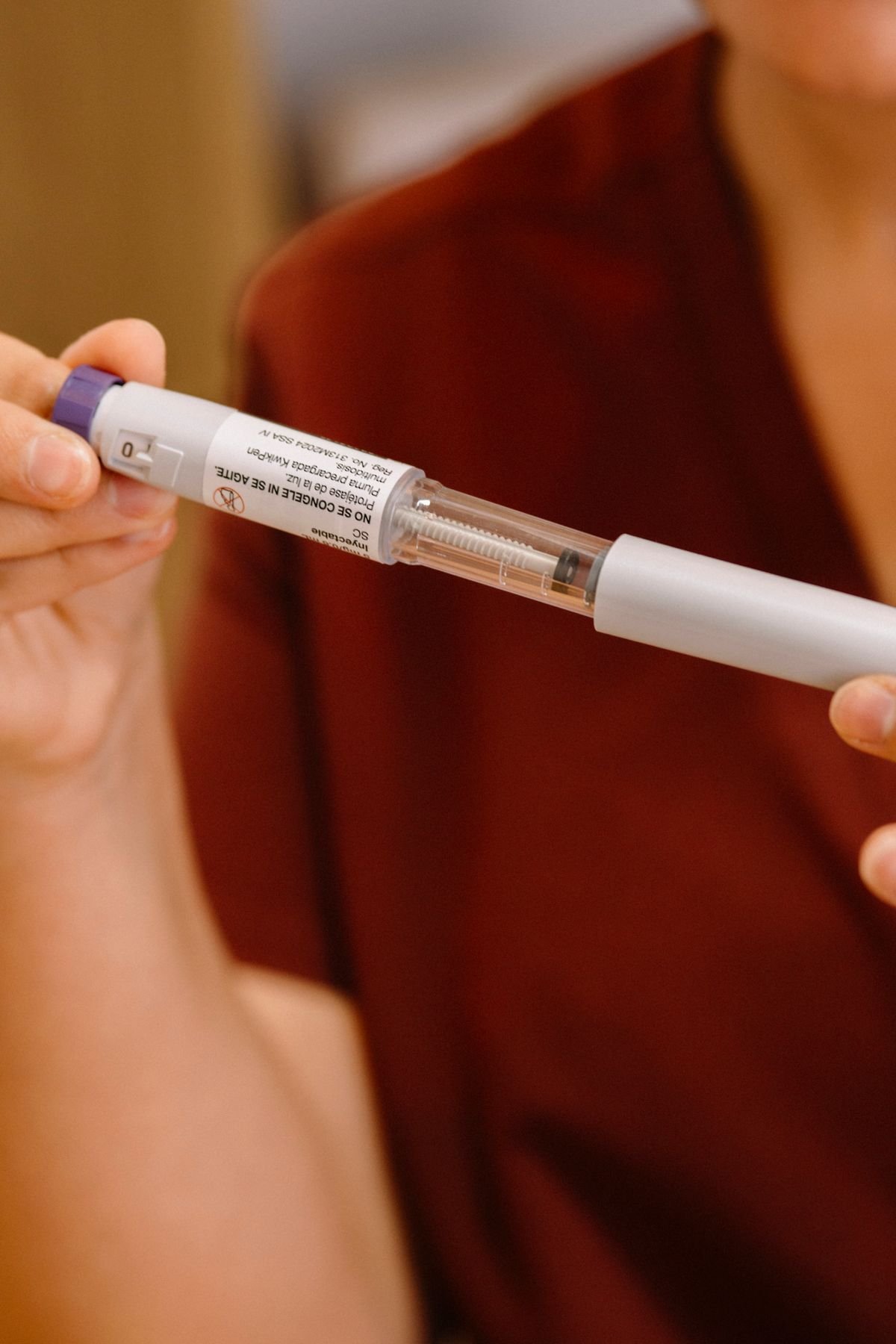
If I am using Levemir, can I switch back to using Lantus? Yes, in most cases you can, and many people do. Levemir and Lantus are both long-acting basal insulins, which means they both provide a slow, steady background level of insulin over about a day, and switching from one to the other is a common, well-understood change. The switch is often done because Levemir has been discontinued by its maker, because of cost or insurance coverage, or because a once-daily injection suits your routine better. The important part is not whether you can switch, but how you switch: the dose may need to change, your blood sugar needs close monitoring for the first one to two weeks, and the change should be planned with your doctor or diabetes team rather than made alone. This article explains what both insulins are, how they differ, how a switch is usually planned, and what to watch for. It is general health information based on guidance from the American Diabetes Association, the US Food and Drug Administration product labels, GoodRx, and Diabetes on the Net, and it is not medical advice. Do not change your insulin without talking to your doctor or pharmacist first.
The question is more urgent now than it was a few years ago. Levemir, the brand name for insulin detemir, was discontinued by its maker Novo Nordisk, and many people who used it have been asked to switch to another long-acting insulin, most often Lantus or one of its biosimilars. If you are reading this because your pharmacy told you Levemir is no longer available, you are not alone, and the switch is one your diabetes team will have made many times. This article gives you the background you need to have that conversation clearly and confidently.
What Is Levemir?
Levemir is the brand name for insulin detemir, a long-acting insulin made by Novo Nordisk. It is used to control high blood sugar in people with type 1 diabetes and type 2 diabetes, as the basal, or background, insulin in their routine. Levemir starts working within a few hours, reaches its peak effect at about 6 to 8 hours, and lasts up to 24 hours, although in practice many people need two injections a day to get full coverage, because its effect can fade before 24 hours. It comes as a FlexTouch pen and as a vial, and it is stored in the refrigerator until it is opened, after which it is kept at room temperature and should be used within 42 days. Levemir cannot be mixed with other insulins in the same syringe, and it should not be diluted.
What Is Lantus?
Lantus is the brand name for insulin glargine, a long-acting insulin made by Sanofi. Like Levemir, it is a basal insulin used in type 1 and type 2 diabetes, and it is also widely used in children. Lantus starts working within a few hours and works steadily over about 24 hours with no pronounced peak, which is why most people take it once a day, at the same time each day, often in the evening. It comes as a SoloStar pen and as a vial, it is stored in the refrigerator until opened, and once opened it should be used within 28 days. Lantus must not be mixed with other insulins, and it must not be diluted. There are also biosimilar versions of insulin glargine, including Basaglar and Semglee, which are similar to Lantus and are often cheaper, and a concentrated version, Toujeo, at 300 units per milliliter.
| Feature | Levemir (insulin detemir) | Lantus (insulin glargine) |
|---|---|---|
| Type | Long-acting basal insulin | Long-acting basal insulin |
| Duration | Up to 24 hours, often dosed twice a day | About 24 hours, usually once a day |
| Peak | Mild peak at 6 to 8 hours | Nearly peakless, steady action |
| Usual dosing | Once or twice a day | Once a day, same time daily |
| Pen | FlexTouch | SoloStar |
| After opening | Use within 42 days | Use within 28 days |
| Availability | Discontinued by the maker | Widely available, with biosimilars |
Why People Switch Back to Lantus
The most common reason for switching today is availability. Levemir was discontinued by Novo Nordisk, and supplies have been running down, so many people have had to switch whether they wanted to or not, and Lantus is the most common replacement, because it is a well-known long-acting insulin with a similar action. Cost and insurance coverage are another common reason: health plans change the insulins they cover, and a person whose plan stops covering Levemir, or whose copayment rises, may be switched to Lantus or to a biosimilar such as Basaglar, which is often cheaper. Dosing frequency is another reason: Lantus is usually taken once a day, while Levemir often needs two injections a day, so switching to Lantus means one less injection, which is easier to remember and to fit into a routine.
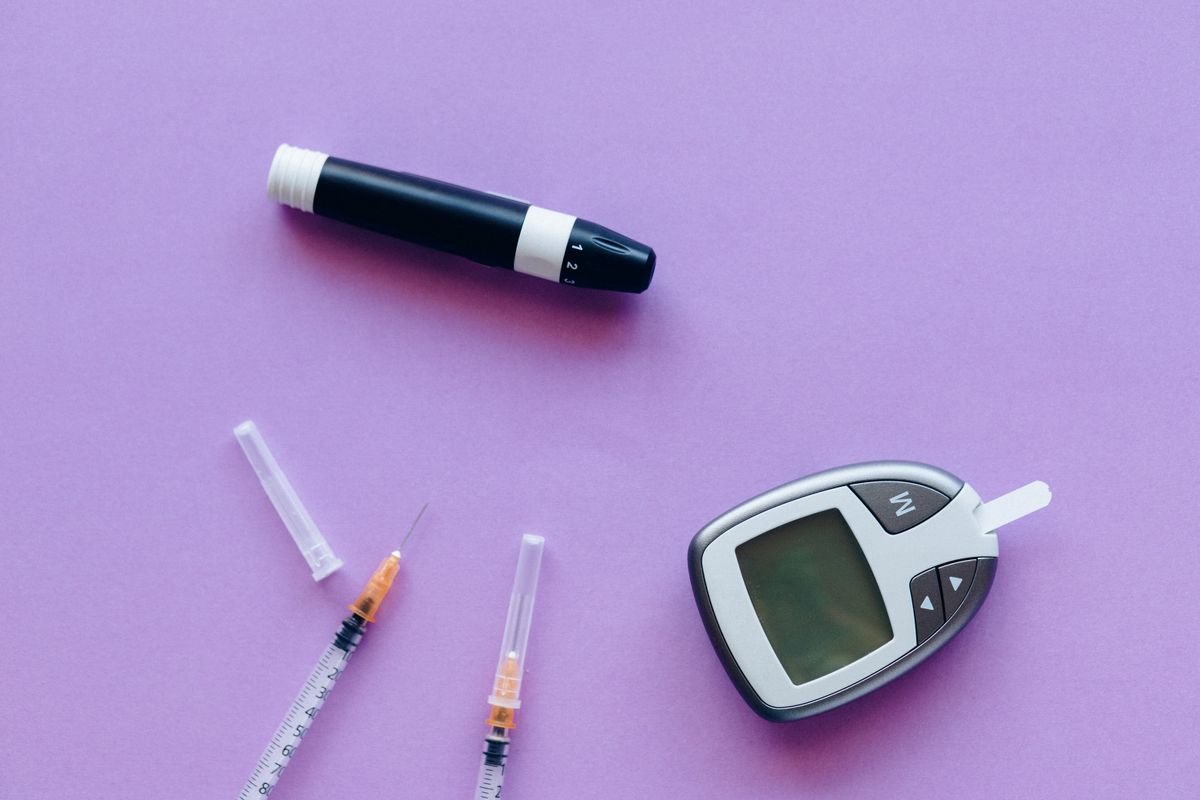
Other reasons are more personal. Some people find that Levemir does not control their fasting blood sugar well through the night, or that they have low blood sugar in the early morning, and their doctor tries Lantus to see if it fits better. Some people develop a reaction at the injection site, or gain weight, and a change is worth trying. And some people simply prefer the SoloStar pen or the timing of a once-daily evening dose. None of these reasons means Levemir was a bad choice, and switching back to Lantus is not a failure. It is a normal part of diabetes care to adjust the plan until it fits your life and your numbers.
How the Dose Is Usually Converted
The dose question is the one everyone asks, and it is the one that most needs a doctor’s input. As a general starting point, GoodRx and clinical guidance note that it is often possible to convert unit-for-unit, that is, the same total daily dose of Levemir becomes the same total daily dose of Lantus, because both are long-acting basal insulins with a similar strength. But many clinicians reduce the starting dose by about 10 to 20 percent when switching, to lower the risk of low blood sugar, and then adjust upward based on fasting glucose readings over the next one to two weeks. The American Diabetes Association’s guidance for switching insulin products also recommends a dose reduction of about 20 percent when switching to another insulin in some situations, to avoid hypoglycemia. That reduction is a safety measure, not a rule, and your doctor will decide the starting dose based on your total daily dose, how often you took Levemir, your recent glucose readings, your risk of low blood sugar, and your kidney function.
The conversion is more than a number. If you took Levemir twice a day, your doctor will add the two doses together to work out the total daily dose, and then decide how much of that to give as a single daily Lantus dose. If you took Levemir once a day, the starting point is closer to a direct swap. The timing also matters: you should not take the first Lantus dose at the same time as a Levemir dose that is still working, because the two insulins would overlap and could cause low blood sugar. Your doctor will tell you when to take your last Levemir dose and when to take your first Lantus dose, and that timing is part of the plan, not a detail to guess. Do not use a dose calculator on the internet as a substitute for that plan, because calculators cannot know your history.
A Safe Switch Plan, Step by Step
A safe switch follows a simple plan, and each step matters. First, talk to your doctor or diabetes team and tell them you want to switch, why you want to switch, and what your recent glucose readings have been. Second, agree on the starting dose and the timing of the first Lantus dose, and write it down, because the plan is easy to forget when you are at home. Third, get the new prescription and the right pen needles, and check that the pharmacy has given you Lantus or the biosimilar your doctor prescribed, not another insulin by mistake. Fourth, check the storage rules: Lantus is stored in the refrigerator until it is opened, and once opened it should be used within 28 days and kept at room temperature, away from heat and light, and it must never be frozen.

Fifth, take the first Lantus dose as planned, and for the first one to two weeks check your fasting blood sugar every morning and, if you can, before bed, and keep a written log of the readings, the dose, and any low blood sugar episodes. Sixth, contact your diabetes team if your readings are consistently high or low, if you have a low blood sugar episode, or if you feel unwell, rather than changing the dose yourself. Seventh, plan a follow-up, usually within one to two weeks, to review the readings and adjust the dose, because the first dose is only a starting point, and most people need one or two small adjustments before the new insulin settles. Keep your fast-acting glucose tablets or gel nearby during the first weeks, and make sure someone close to you knows you have changed insulin and knows what low blood sugar looks like.
What to Watch in the First Two Weeks
Low blood sugar, or hypoglycemia, is the main risk in the first weeks after a switch, because the new insulin may act a little differently and your dose may not yet be quite right. The signs are sweating, shaking, a fast heartbeat, hunger, irritability, confusion, and difficulty concentrating, and they should be treated at once with fast-acting glucose, following the rule your diabetes team gave you, usually 15 grams of fast-acting carbohydrate, rechecking after 15 minutes, and repeating if needed. If you cannot swallow, or if you become confused or lose consciousness, someone should call for emergency help and give glucagon if it has been prescribed and they have been shown how to use it. High blood sugar is the other risk: if your fasting glucose is consistently high, it may mean the starting dose was set too low, and your team can adjust it. Do not mix Lantus with any other insulin, do not use it in an insulin pump, and do not use it if it looks cloudy or has anything floating in it, because Lantus should be clear and colorless.
Special Cases and Costs
The switch is usually straightforward, but some situations need extra care. In type 1 diabetes, a switch to Lantus means your basal insulin must still cover you around the clock, so your mealtime insulin stays separate and the basal dose needs to be right. In pregnancy, long-acting insulin choices are discussed with the obstetric and diabetes teams, and you should not change insulin without their advice. In kidney or liver disease, the way insulin is cleared can change, so the dose needs extra care. In children, the dose is based on weight and needs specialist input. Cost matters too: Lantus is a brand-name insulin and can be expensive, and the biosimilars Basaglar and Semglee are often cheaper and may be covered differently by insurance, so ask your pharmacist to check the price and the coverage before you switch, and ask about patient assistance programs if the cost is a barrier. If you are considering a longer-acting insulin such as Toujeo or Tresiba instead, that is a different conversation with your doctor, because their dosing and action are different again.
Frequently Asked Questions
Can I switch from Levemir to Lantus on my own?
No. Although the switch is common, the starting dose, the timing of the first dose, and the monitoring plan need to be set by your doctor or diabetes team. Switching alone risks overlapping insulins and low blood sugar, or a dose that is too high or too low. Always plan the switch with your healthcare team.
Is the dose the same when switching from Levemir to Lantus?
Often, the starting point is the same total daily dose, but many clinicians reduce it by about 10 to 20 percent at first, to reduce the risk of low blood sugar, and then adjust it based on fasting glucose readings over the next one to two weeks. Your doctor will set the dose for you, based on your history, your readings, and your risk factors.
How long does it take for Lantus to work after switching?
Lantus starts working within a few hours and reaches a steady effect over about a day. Your blood sugar may take a few days to settle, which is why close monitoring for the first one to two weeks is important. A follow-up within that time lets your team adjust the dose if readings are too high or too low.
Can I use Levemir and Lantus together?
No. You should use one long-acting basal insulin at a time, not both together, unless your doctor specifically tells you otherwise, because taking two basal insulins together raises the risk of low blood sugar and makes dosing unclear. Your doctor will plan a clean switch from one to the other, with a clear timing for the last Levemir dose and the first Lantus dose.
Conclusion
If I am using Levemir, can I switch back to using Lantus? Yes, in most cases, and it is a common switch, especially now that Levemir has been discontinued. Both are long-acting basal insulins, and the switch usually starts from a similar total daily dose, often reduced by 10 to 20 percent at first as a safety measure, with close monitoring of fasting blood sugar for one to two weeks and a follow-up with your diabetes team. The switch should be planned with your doctor, who will set the dose, the timing, and the follow-up, because those details depend on your history. Do not switch alone, do not mix insulins, and keep fast-acting glucose nearby in the first weeks. This article is general health information based on the American Diabetes Association, FDA product labels, GoodRx, and Diabetes on the Net, and it is not medical advice. If you are thinking of switching, speak to your doctor or pharmacist first.