
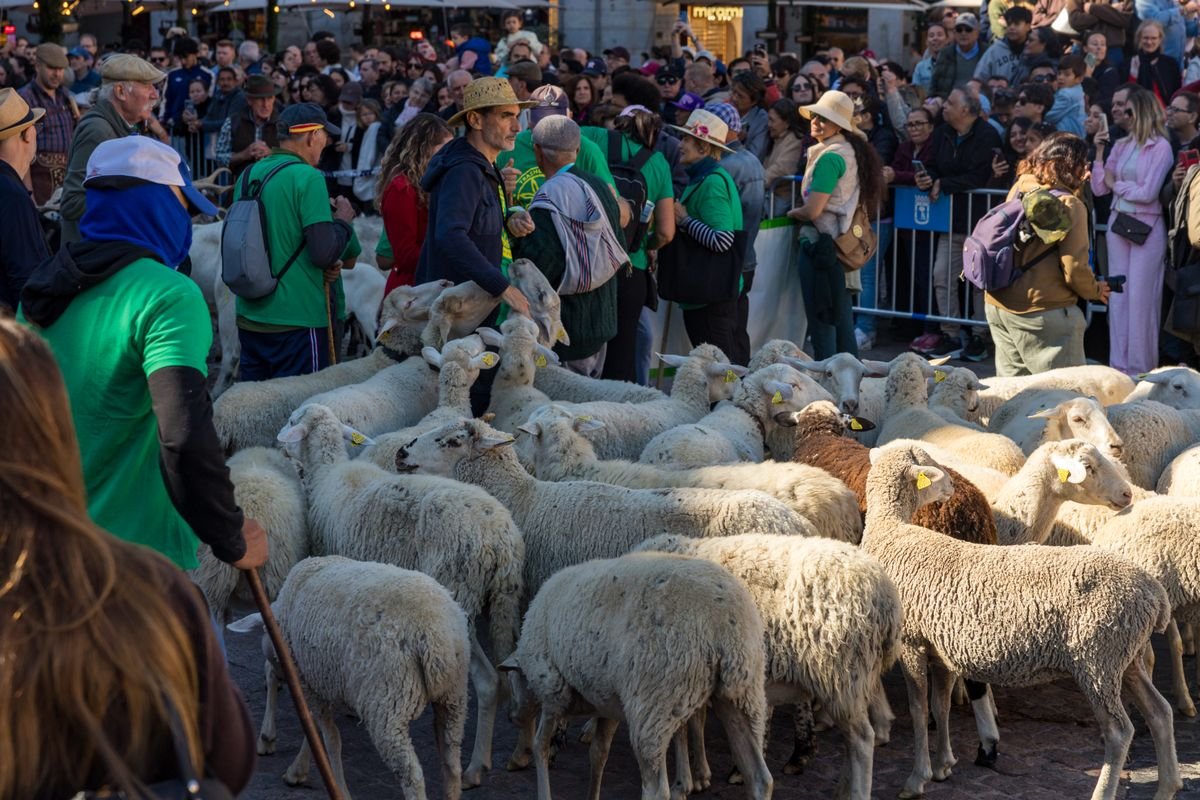
Herd behavior model tutorial explained in plain language: a herd behavior model explains why investors copy each other instead of thinking for themselves, and how that copying creates bubbles and crashes. When a stock rises and everyone buys it because everyone else is buying it, that is herd behavior. When the same crowd rushes for the exit at the same time, that is herd behavior too. This tutorial explains the models economists use to describe herding, why it is rational for individuals even when it is disastrous for markets, and how to think independently when the crowd is loudest.
Herding is one of the oldest patterns in markets. The Dutch tulip mania of the 1630s, the dot-com bubble of the late 1990s, the housing boom of the 2000s, and the meme-stock surges of 2021 all share the same structure: prices rise, more people buy because prices are rising, prices rise more, and eventually the whole thing reverses. Economists have built formal models of this process, and they are surprisingly simple. Understanding them is the best defense against joining a herd at the worst possible moment.
What Is Herd Behavior in Investing?
Herd behavior, also called herding, is the tendency of investors to follow the actions of others rather than their own analysis. It shows up in three common forms. Informational herding happens when you assume other people know something you do not, so you copy them. Reputational herding happens when fund managers copy their peers because it is safer to be wrong together than right alone. Compensation-based herding happens when bonuses reward short-term results, so managers chase whatever is working right now.
Herding is not always irrational. If a hundred experienced investors all buy the same stock, it is reasonable to think they might know something. The problem is that the hundredth investor often knows nothing the first ninety-nine did not already know. They are copying the copy, and the information in the chain gets weaker with every link. By the time a herd is visible to everyone, the original information is usually gone, and what is left is momentum and fear of missing out.
Research confirms the cost. A Federal Reserve Bank of New York study by Marco Cipriani and Antonio Guarino estimated that herding causes informational inefficiencies amounting to about 4 percent of an asset’s expected value. In plain terms, herding makes prices less accurate, and less accurate prices mean worse decisions for everyone, including the herders themselves.
The Informational Cascade Model: How Herds Start
The most famous herd behavior model is the informational cascade model, developed by Sushil Bikhchandani, David Hirshleifer, and Ivo Welch in 1992. It works like this. Imagine two restaurants, one busy and one empty. You have no information about either, so you pick the busy one, assuming the crowd knows something. The next person does the same. Soon everyone is in the busy restaurant, even if the empty one is better. The crowd’s choice carries information, but each person adds less and less new information to it, because they are mostly copying the people before them.
In markets the same logic applies. The first investor buys a stock because of real research. The second investor sees the first buy and thinks they must know something, so they buy too. The third, fourth, and fifth investors do the same, each one adding less real information than the last. After a while, the price is rising because people are buying, and people are buying because the price is rising. That is a cascade: a self-reinforcing chain where the crowd’s behavior becomes the only information that matters.
Cascades are fragile. They depend on everyone ignoring their own private information, and they can reverse instantly when new information arrives. A single piece of bad news, an earnings miss, a regulatory warning, a prominent investor selling, can break the chain, and then the same logic runs in reverse: everyone sells because everyone else is selling. This fragility is why herd-driven markets swing so violently, and why bubbles and crashes are two sides of the same model.
Three Types of Herding, Explained
Economists distinguish three kinds of herding, and they behave differently. Informational herding, the cascade type described above, comes from copying others because you believe they have better information. Reputational herding comes from career risk. A fund manager who follows the crowd and loses money can say everyone else lost money too. A manager who goes against the crowd and loses money gets fired. So managers copy each other even when they disagree privately, a result formalized by David Scharfstein and Jeremy Stein in 1990.
The third type is compensation-based herding. When fund managers are paid for beating a benchmark over short periods, they have an incentive to hold whatever is currently working, because deviating from the benchmark is career risk even when it is the right call. Together, these three types explain why professional investors, who should know better, are often the biggest herders of all. Individuals at least have an excuse: limited time and limited information. Professionals herd because their incentives reward it.
Famous Herds: Bubbles and Crashes
History is full of herds. In the dot-com bubble of 1998 to 2000, investors bought internet companies with no revenue and no path to profit because everyone else was buying them. The Nasdaq rose more than 500 percent from 1995 to its peak in March 2000, then fell nearly 80 percent. In the housing bubble, banks, borrowers, and investors all acted as if house prices could only rise, because everyone else was acting that way. When prices turned, the herd reversed, and the 2008 financial crisis followed.
The GameStop episode of January 2021 was a modern herd in fast motion. A stock that had been ignored suddenly became a symbol, social media attention exploded, the price rose from under $20 to over $300 in weeks, and then fell back below $50 within a month. The pattern matches the cascade model almost exactly: early buyers with a real thesis, then a wave of copiers, then a reversal when the attention faded. Studying these episodes teaches one lesson: herds feel safe because everyone is doing it, and they are dangerous for exactly the same reason.
| Model | Key idea | What it predicts |
|---|---|---|
| Informational cascade | People copy because others seem informed | Price moves on momentum, then reverses suddenly |
| Reputational herding | Copying peers protects careers | Professionals herd even when they disagree |
| Compensation herding | Short-term bonuses reward following trends | Managers chase what is working now |
| Momentum and feedback | Rising prices attract buyers | Bubbles inflate, then burst |
These models overlap in practice. A single bubble usually involves all of them at once: cascades bring in retail investors, reputational and compensation incentives keep professionals in the trade, and momentum feedback loops push prices further. That is why bubbles are so hard to stop. Everyone involved is behaving rationally from their own point of view, and the market as a whole is behaving irrationally.
How to Spot a Herd Before You Join It
Herds give off warning signs, and learning to see them is a practical skill. First, watch for consensus without evidence. When everyone agrees a stock can only go up, but nobody can explain why in terms of revenue, earnings, or cash flow, you are looking at a herd. Second, watch for speed. Real investment theses build slowly; herds move in days. Third, watch your own emotions. If you feel excitement, urgency, or fear of missing out, that is your brain responding to the crowd, not to analysis. Fourth, watch the language. When people say a stock is different this time, that you cannot afford to wait, or that the old rules no longer apply, the herd is near its peak.
Use data to check yourself. Compare the stock’s price to its fundamentals: the price-to-earnings ratio, the price-to-sales ratio, and the growth rate. If the price has tripled while the business has not changed, the move is sentiment, not value. Check who is buying. When retail ownership surges while institutional ownership falls, professionals are often selling to the crowd. Check the options market: extreme implied volatility and heavy call buying are classic signs of a euphoric crowd.
How to Think Independently When the Crowd Is Loud
Independent thinking is a habit, not a talent, and it can be trained. Start with a written investment thesis before you buy anything. Write down, in two or three sentences, why you think a stock is worth its price, what would prove you wrong, and what price you would sell at. When the crowd gets loud, reread your thesis. If nothing about the business changed, the crowd is noise. If something did change, update the thesis, not your emotions.
Build in friction. Waiting 24 hours before acting on a hot tip is one of the best defenses against herding, because cascades rely on speed. Use checklists and rules: never buy a stock only because it is rising, never buy without knowing the valuation, and never invest more than you can afford to lose in a single crowded trade. Diversify, so no single herd can hurt you badly. And keep a decision journal: write down what you bought, why, and what happened. Reviewing your own mistakes is the fastest way to see your herding habit clearly.
Frequently Asked Questions
What is the herd behavior model?
The herd behavior model explains why investors copy each other. The best-known version is the informational cascade model of Bikhchandani, Hirshleifer, and Welch, which shows how rational people can end up ignoring their own information and following the crowd, creating bubbles that later reverse.
Is herd behavior always bad?
No. Following the crowd is sometimes rational, especially when you genuinely lack information and others seem better informed. The danger comes when the crowd is copying the crowd rather than acting on real information, which is exactly what happens in bubbles and crashes.
What is the difference between herd behavior and momentum investing?
Momentum investing is a deliberate strategy: buy stocks that are rising, sell the ones falling, with rules and risk limits. Herd behavior is copying without a strategy, driven by social pressure, emotions, and fear of missing out. Momentum can be disciplined. Herding rarely is.
How can I tell if I am part of a herd?
Ask three questions. Did you research the stock yourself, or did you hear about it from the crowd? Can you explain, in one sentence, why it is worth its price? Would you buy it if nobody else were talking about it? If your answers are no, you are probably herding.
Conclusion
Herd behavior model tutorial explained in one line: people copy the crowd because they believe the crowd knows something, cascades turn that copying into bubbles, and the bubbles reverse when the copying stops. The models, from the informational cascade to reputational herding, all point to the same conclusion: the crowd is usually right for a while and spectacularly wrong at the extremes. Your defense is a written thesis, a willingness to wait, and the habit of asking whether you would buy if nobody else were talking about it. The next time a stock is everywhere, remember the sheep: following the flock feels safe, right up until it does not. Think for yourself, and let the herd pass you by.
 asad_writer
 DIGITAL EMPIRE AGENCY