
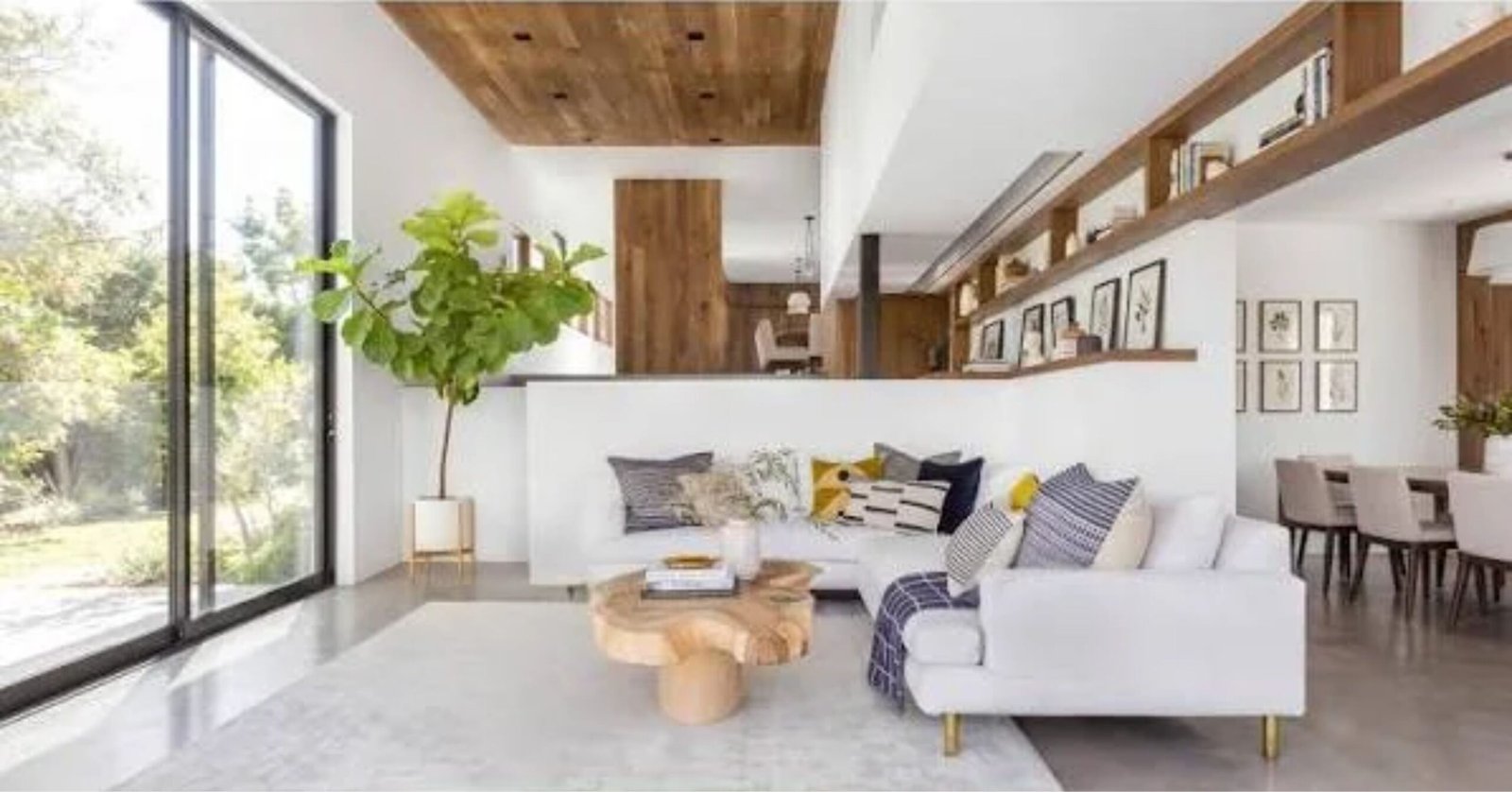
A comfortable home does not necessarily need large rooms, expensive furniture, or major renovations. Even a small apartment or compact house can feel spacious, welcoming, and stylish with the right design choices. The way furniture is arranged, how natural light enters a room, and the colors used on walls can significantly influence how a space feels.
Many homeowners focus on adding more furniture or decorative accessories, but sometimes removing unnecessary items and simplifying the layout can make a bigger difference. With a few thoughtful adjustments, it is possible to create a home that feels brighter, more organized, and easier to live in.
Choose Colors That Create an Open Feeling
Color plays an important role in how people perceive the size of a room. Lighter shades such as white, cream, beige, soft gray, and pale green can make walls feel less crowded and help reflect natural light throughout the space.
Using similar colors across walls, furniture, and decorative elements can also create a sense of continuity. When a room has too many contrasting colors, different areas may feel visually disconnected, making the space appear smaller.
This does not mean every room needs to look plain. Adding a few darker accents through cushions, artwork, rugs, or lamps can bring character without overwhelming the overall design.
Arrange Furniture With More Purpose
Furniture placement is one of the most overlooked aspects of home design. A room may contain beautiful furniture but still feel uncomfortable if everything is positioned without considering movement and available space.
Try keeping larger furniture pieces against walls where appropriate and avoid blocking entrances, windows, or natural walking paths. Leaving some open floor space can make the room feel less crowded.
For smaller living rooms, choosing furniture with slim arms, raised legs, or compact dimensions can help create a lighter appearance. Instead of filling every corner, allow some areas to remain open so the room can breathe.
Make Better Use of Natural Light
Natural light can instantly improve the atmosphere of a home. Bright rooms often feel more open, fresh, and inviting than spaces with limited lighting.
Keep windows free from unnecessary obstructions and consider using lightweight curtains that allow sunlight to enter. Heavy drapes can sometimes make smaller rooms feel closed in, particularly when they cover a large portion of the window.
Mirrors are another useful design element. Placing a mirror opposite or near a window can help reflect light around the room and create the impression of additional space. However, the mirror should reflect something visually pleasant rather than clutter or an unattractive area.
Use Storage to Reduce Visual Clutter
Clutter can make even a large room feel smaller. Shoes, paperwork, cables, kitchen items, and decorative objects often accumulate in places where they are easy to see.
Creating practical storage solutions helps keep everyday items organized without sacrificing style. Storage baskets, furniture with hidden compartments, wall shelves, and cabinets can make it easier to maintain a clean appearance.
A useful approach is to keep frequently used items accessible while storing things that are rarely needed. Regularly reviewing belongings and removing items that no longer serve a purpose can also help maintain a more organized home.
Choose Furniture That Serves More Than One Purpose
Multifunctional furniture is particularly useful in homes where space is limited. A storage ottoman can provide seating while keeping blankets or other items out of sight. A foldable dining table can create additional space when it is not being used. A bed with built-in drawers may reduce the need for a separate storage cabinet.
These solutions allow homeowners to make better use of available space without adding unnecessary furniture.
Before purchasing anything new, consider how the item will fit into the room and whether it solves an actual problem. Furniture should support everyday living rather than simply occupy space.
Keep Decoration Simple and Balanced
Decorative accessories add personality, but too many items can create visual noise. A collection of small decorations spread across every surface may make a room feel busy and difficult to maintain.
Instead, choose a few meaningful pieces that complement the room’s style. A large piece of wall art, an attractive table lamp, a textured rug, or a carefully arranged collection of plants can create a focal point without overwhelming the space.
Balance is more important than quantity. Leaving some shelves, walls, and surfaces relatively empty allows decorative items to stand out.
Add Texture for Warmth and Character
A spacious home should not feel cold or empty. Texture helps create warmth while maintaining a simple and organized design.
Soft cushions, woven baskets, wooden furniture, natural fabrics, and rugs can add depth without introducing too many colors or patterns. Combining different materials also makes a room feel more thoughtfully designed.
For example, a neutral living room can feel much more inviting when it includes a wooden coffee table, a soft rug, linen curtains, and a few textured cushions. These details make the space comfortable while keeping the overall appearance calm.
Create a Home That Reflects Your Lifestyle
The most effective home design is one that supports the way people actually live. A family home may need practical storage and flexible seating, while someone working remotely may benefit from a dedicated workspace that does not dominate the living area.
Instead of following every decorating trend, focus on the features that make daily life easier. Think about where you spend the most time, what areas feel uncomfortable, and which changes would provide the greatest improvement.
A spacious feeling comes from more than square footage. It often results from thoughtful organization, balanced decoration, comfortable furniture, and good lighting.
Final Thoughts
Making a home feel more spacious does not require a major renovation or expensive design project. Small improvements, such as rearranging furniture, choosing lighter colors, reducing clutter, improving lighting, and adding practical storage, can transform the way a room looks and feels.
By focusing on comfort, functionality, and simplicity, homeowners can create spaces that feel open, attractive, and welcoming. The best home is not necessarily the biggest one, but the one that makes everyday living more enjoyable.
 asad_writer
 admin