
decoration tips decoradhouse from decoratoradvice is the guide that turns a plain house into a home you love, one practical idea at a time. It comes from Decoradhouse, the decorating section of Decorator Advice, and it gathers the tips that work in real rooms: how to choose colours that suit your light, arrange furniture so people can talk, pick lighting that flatters a room, and add textiles and art without spending a fortune.
In this guide, we explain the best decoration tips decoradhouse from decoratoradvice for every room, with tables, checklists and answers to the questions readers ask most often. You will learn how to plan a room, how to use colour and light, how to choose a rug, curtains and cushions, how to decorate small rooms and family rooms, and which mistakes to avoid. Whether you are decorating your first home or refreshing a room you have lived in for years, these tips will help you get a result you are proud of.
Decorator Advice is not a glossy magazine that only shows perfect homes. Its decoration tips are made for homes that are lived in: homes with children, pets, guests, desks, small kitchens and awkward corners. That practical focus is why readers trust the tips on this page, and why they work when you try them on a weekend, without a designer or a large budget.
What Are decoration tips decoradhouse from decoratoradvice?
decoration tips decoradhouse from decoratoradvice are the decorating ideas published by Decoradhouse, the home decorating part of Decorator Advice. They cover the choices that make a room look and feel right: colours, furniture, lighting, rugs, curtains, cushions, art and plants. Each tip explains what to do, why it works and how to do it in your own home.
The tips are organised by problem, so you can find the one you need. If a room is too dark, there is a tip for that. If a room feels too small, too cold or too cluttered, there are tips for those problems too. You do not need to read a whole book about interior design; you can use one tip at a time and see the difference it makes.
Decoradhouse is part of Decorator Advice, the website at decoratoradvice.com. For the general introduction to the site, read decorator advice .com, and for the background to the site, read about us decoratoradvice .com. For garden decorating ideas, the sister guide is Decoradhouse Garden Tips by DecoratorAdvice.
Start With a Plan: The First Decoration Tips
The first of the decoration tips decoradhouse from decoratoradvice is to plan before you buy. A room that is planned looks better and costs less than a room that is bought in one shopping trip. A plan does not need to be complicated; it only needs to answer four questions.
- How is the room used? Who uses it, when and for what? A living room used for homework, television and guests needs different furniture from one used only in the evening.
- What is wrong with it now? Is it too dark, too small, too cluttered, too cold or simply too plain? The problem decides the solution.
- What is your budget? Decide the total amount and keep a small reserve for delivery, mistakes and the extras you forgot.
- What style suits the house? A modern, minimal look can feel cold in an old house with low ceilings, while a traditional look can feel heavy in a bright, modern flat.
Write the answers down and take a photograph of the room before you start. A photograph often shows a problem you cannot see when you are standing in the room, such as a picture hung too high or a rug that is too small. Measure the walls, windows and doorways too, because many decorating mistakes come from guessing sizes instead of measuring them.
Colour Tips from Decoradhouse
Colour is the most powerful decorating tool, and also the one that causes the most regret. The decoration tips decoradhouse from decoratoradvice for colour are simple, and they save more money than any other tip on this page.
| Colour choice | Effect on a room | Best for |
|---|---|---|
| Light neutrals | Makes a room feel larger and brighter | Small rooms and north-facing rooms |
| Warm whites | Adds warmth without darkening the room | Living rooms and bedrooms |
| One accent colour | Adds character and focus | Cushions, art and one feature wall |
| Dark colours | Adds depth and cosiness | Large rooms and feature walls |
| Repeating colours | Makes a room feel connected | Every room, in cushions, art and rugs |
Test paint on the wall before you buy the full tin. A colour that looks soft in a shop can look cold in a north-facing room or too strong in a small one. Paint a large test patch, look at it in daylight and at night, and live with it for a few days. Neutral walls with colourful accessories are a safe starting point, because you can change cushions and art far more cheaply than you can repaint a room.
Choose a simple palette: one main neutral colour, one or two supporting colours and one accent colour. Repeat those colours in different parts of the room, in the rug, the cushions, the art and the curtains, so the room feels connected. If you are unsure, start with warm white walls, wooden floors and one accent colour you love, and build from there.
Furniture and Layout Tips
Good furniture layout is what makes a room comfortable. The decoration tips decoradhouse from decoratoradvice for furniture are about how people use a room, not only about how it looks in a photograph.
- Arrange seating for conversation. Put sofas and chairs so people face each other, not only the television. A small gap between furniture and walls makes a large room feel more sociable.
- Leave space to move. A room needs clear paths between doors, windows and the main seats. If you have to walk around a chair to cross a room, the layout is wrong.
- Choose furniture for the room’s size. A sofa that is too large overwhelms a small room, while furniture that is too small looks lost in a large one. Measure first, buy second.
- Use furniture with legs. Sofas, chairs and tables with legs that show the floor make a room feel larger and lighter than furniture that sits flat on the floor.
- Mix old and new. A room that is bought all at once looks like a showroom. A mixture of new pieces and older, personal items looks like a home.
Buy the largest items first. Sofa, bed, table and rug set the scale of a room, and smaller items such as cushions, lamps and art should be chosen to suit them. If you buy the cushions first, you risk choosing a sofa that does not match them, and the room will never feel right.
Lighting Tips That Change a Room
Lighting is the cheapest way to change the mood of a room, and it is the tip that readers of decoration tips decoradhouse from decoratoradvice say makes the biggest difference. One ceiling light on its own creates harsh shadows and a flat, cold feeling. Layered light solves that problem.
| Light layer | What it does | Where to use it |
|---|---|---|
| Main light | Lights the whole room | Ceiling, with a dimmer if possible |
| Task light | Lights a job, such as reading or cooking | Desk, kitchen worktop, bedside |
| Soft light | Adds warmth and atmosphere | Table lamps and floor lamps |
| Accent light | Highlights a picture, shelf or plant | Picture lights and small spotlights |
Use warm bulbs in living rooms and bedrooms, and brighter, cooler light in kitchens and bathrooms where you need to see clearly. Smart bulbs and dimmers make this easier, because you can change the mood of a room without rewiring it. For smart-home lighting ideas, read Decoradtech Smart Home Ideas by Decorator Advice.
Mirrors are part of lighting too. A mirror opposite a window doubles the light in a room and makes a small room feel larger. Hang mirrors at eye level, and use them to reflect a view, a lamp or a plant, rather than a blank wall.
Rugs, Curtains and Textiles
Textiles are what make a room feel soft and finished. The decoration tips decoradhouse from decoratoradvice for rugs, curtains and cushions are about size and placement, because those are the details that most people get wrong.
- Choose a rug that is big enough. A small rug floating in the middle of a room makes the furniture look disconnected. The front legs of sofas and chairs should sit on the rug.
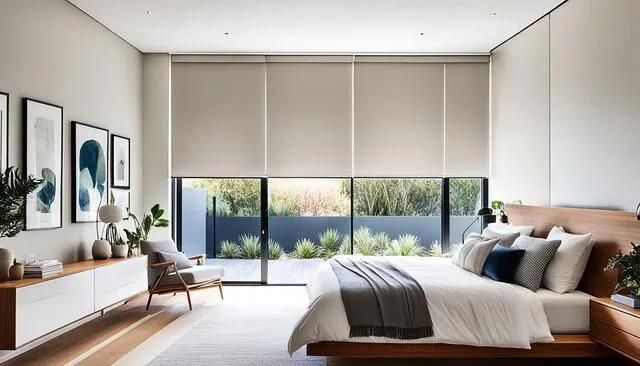
- Hang curtains high and wide. Curtains hung just above the window make a room feel shorter. Hang the rod close to the ceiling, wider than the window, and let the curtains fall to the floor.
- Layer textiles. A rug, cushions, a throw and curtains in colours that repeat each other make a room feel warm and connected, even if the furniture is plain.
- Choose washable fabrics. In a family home, washable cushion covers, rugs that can be cleaned and curtains that can be washed are practical choices that still look good.
- Change textiles with the seasons. Lighter fabrics in summer and heavier, warmer ones in winter refresh a room for very little money.
Art and plants are the finishing touches. Hang art at eye level, not near the ceiling, and choose pieces you love rather than pieces that match the sofa. Plants add life, colour and clean air to a room; a large plant in a corner is often more effective than several small ones scattered around.
Decoration Tips for Small Rooms
Small rooms need the decoration tips decoradhouse from decoratoradvice most, because every mistake shows. The good news is that small rooms can be the most charming rooms in a home when they are decorated well.
- Use light colours and mirrors. Light walls, a mirror and furniture with legs make a small room feel larger.
- Use furniture that does two jobs. An ottoman with storage inside, a bed with drawers underneath and a bench with space for shoes all save floor space.
- Go vertical. Shelves above doors, tall bookcases and wall-mounted lights free up floor space and draw the eye upwards.
- Keep it tidy. Clutter makes a small room feel stressful. Give everything a place, and choose a few large items rather than many small ones.
- Use one style. A single, simple style with a small colour palette makes a small room feel calm instead of busy.
Family rooms need durable choices. Washable paint, hard-wearing fabrics, rugs that can be cleaned and furniture with rounded corners are practical when children or pets use a room every day. Style does not have to be sacrificed: many modern fabrics and finishes are both beautiful and tough, and choosing them at the start is cheaper than replacing delicate items later.
Common Decorating Mistakes to Avoid
Even good ideas fail when a basic mistake is made. These are the mistakes decoration tips decoradhouse from decoratoradvice warns readers about most often, and they are all easy to avoid once you know them.
- Buying everything at once. A room finished in one shopping trip looks like a showroom. Buy the main pieces first, then add personal items over time.
- Choosing paint from a small sample. Always test paint on the wall, in daylight and at night, before you commit to a whole room.
- Hanging art too high. Art should be at eye level, so you can enjoy it when you are sitting or standing, not above your head.
- Using only one light source. Add lamps at different heights for a softer, more flexible room.
- Pushing all furniture against the walls. Furniture grouped in the middle of a large room creates a more comfortable, sociable space.
- Ignoring the entrance. The hallway is the first room visitors see. A mirror, a place for keys and coats, and good lighting make the whole home feel better organised.
Authoritative sources support the same practical approach. The home-design platform Houzz shows how light, layout and storage shape real homes, while Better Homes & Gardens offers room-by-room ideas that work in everyday family homes. Use them together with Decorator Advice to check an idea from more than one angle before you spend money on it.
Frequently Asked Questions About decoration tips decoradhouse from decoratoradvice
What are decoration tips decoradhouse from decoratoradvice?
decoration tips decoradhouse from decoratoradvice are the practical decorating ideas published by Decoradhouse, the decorating section of Decorator Advice. They cover colours, furniture, lighting, rugs, curtains, textiles and layout for real homes and real budgets.
How do I start decorating a room?
Start by deciding how the room is used and what is wrong with it now. Measure the room, set a budget, choose a colour palette and make one small change first, such as changing the lighting or moving the furniture. Live with the change for a week before you decide on the next step.
What is the easiest way to make a room look better?
Good lighting, a rug that is the right size and curtains hung high and wide are the three quickest improvements. Together, they make a room feel larger, warmer and more finished, often for less money than a new piece of furniture.
How do I choose a paint colour?
Test paint on the wall in the room itself, in daylight and at night, and live with the sample for a few days before you buy the full tin. Start with a light neutral colour and add colour with cushions, art and accessories that are cheaper to change.
How do I decorate a small room?
Use light colours, mirrors, furniture with legs and furniture that does two jobs, such as storage inside an ottoman or under a bed. Keep the room tidy, use one simple style and choose a few large items rather than many small ones.
Can beginners use decoration tips decoradhouse from decoratoradvice?
Yes. The tips are written for beginners as well as for experienced homeowners, in plain language with clear steps. If you have never decorated a room before, start with one small project and build your confidence from there.
Where can I find more decorating ideas?
Read decorator advice .com for the general guide to the site, about us decoratoradvice .com for the story behind it, and Decoradhouse Garden Tips by DecoratorAdvice for outdoor decorating ideas.
Conclusion
decoration tips decoradhouse from decoratoradvice work because they are practical, honest and made for real homes. Plan the room first, choose colour and light with care, buy furniture that fits, add textiles that are the right size and finish with art and plants you love. Make one change at a time, live with it, and adjust it until the room feels right. A well-decorated home is not finished in a day; it is built one good decision at a time, and the tips on this page are there to help you make each one.