
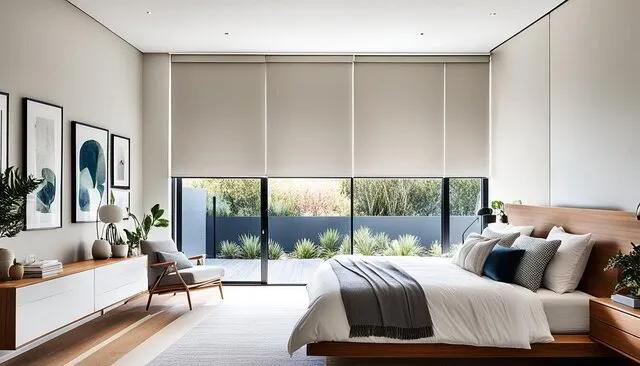
decorator advice .com is the online home of Decorator Advice, a practical guide to making homes look better, feel more comfortable and work harder for the people who live in them. If you have ever stood in a room, looked around and thought that something was missing but could not say what, this site is made for you. It turns decorating from a guessing game into a clear, step-by-step process, with ideas that suit real homes, real budgets and real family life.
In this guide, we explain what decorator advice .com is, what you can find there, how to use its ideas in your own home and which mistakes to avoid. You will find room-by-room ideas, smart-home guidance, garden and renovation tips, honest advice about costs and answers to the questions readers ask most often. Whether you are decorating your first flat, refreshing a tired living room or planning a full renovation, you can use this page as a starting point and a checklist.
Decorator Advice is not a glossy magazine that only shows perfect homes. It focuses on homes that are lived in: homes with children, pets, guests, work-from-home desks, small kitchens and awkward corners. That practical focus is why so many readers return to it when they need an idea they can actually use on a weekend, without hiring a designer or spending a fortune.
What Is decorator advice .com?
decorator advice .com is a website that publishes decorating, home improvement, garden and smart-home advice for homeowners and renters. Its articles cover everything from choosing paint colours and arranging furniture to planning a renovation, improving a garden and adding smart devices that make daily life easier. The aim is simple: help ordinary people create homes that look good and feel good to live in.
The site is organised by topic, so you can find advice for one room or one problem without reading a whole book about interior design. If you need living-room ideas, you go to living-room ideas. If you need to make a small bedroom feel larger, there is advice for that too. Each article gives a clear idea, explains why it works and shows how to apply it at home.
Decorator Advice is useful because it combines style with function. A beautiful room that is hard to clean, hard to sit in or hard to move through is not a success. The site therefore looks at light, storage, traffic flow, durability and comfort as well as colour and
pattern. That balance is what separates a room that photographs well from a room you enjoy every day.
What Does decorator advice .com Offer?
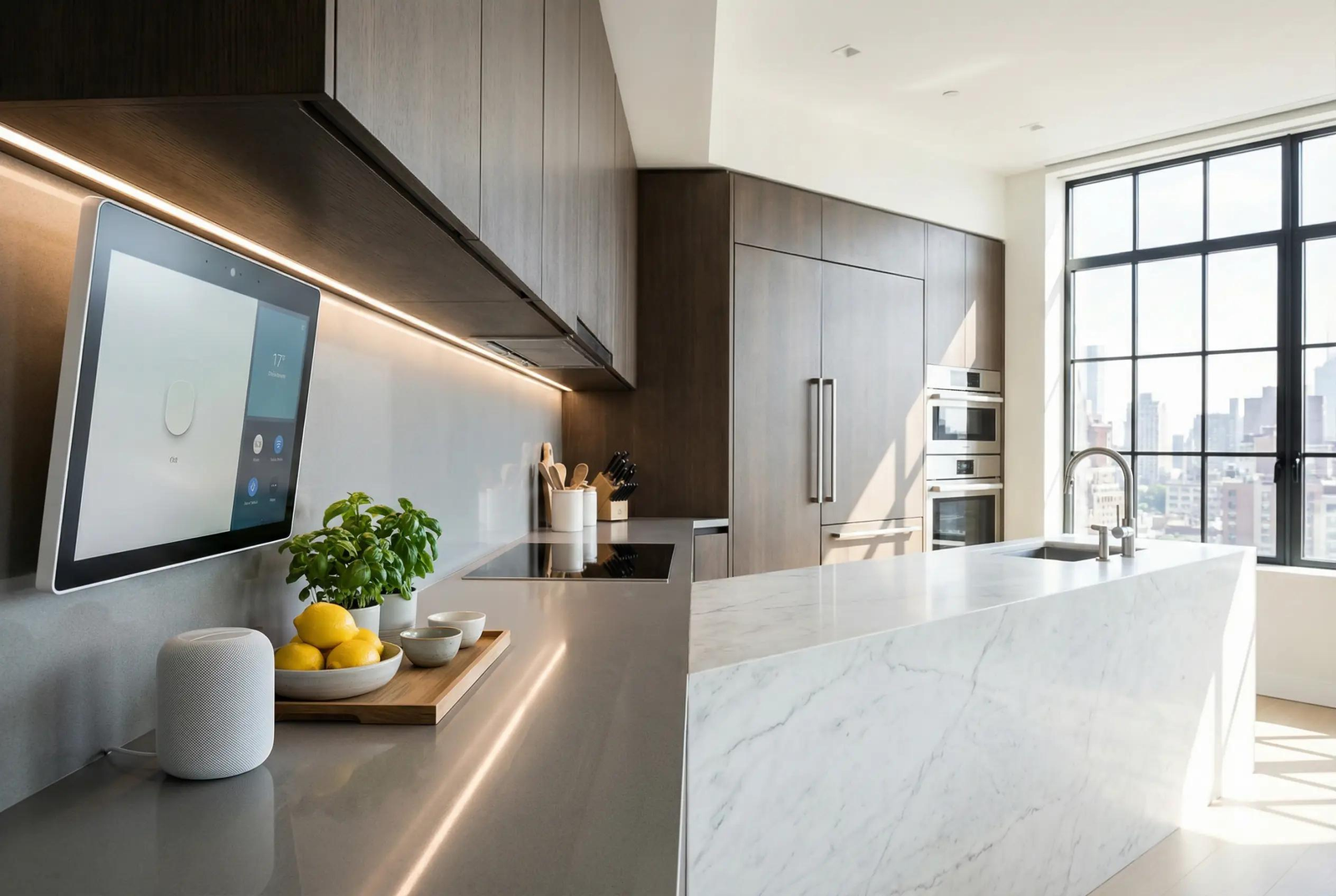
The site covers several connected areas of home life. Decorating is the heart of it, but a home is more than its cushions and curtains, so the advice also covers renovation, gardens, smart technology and the practical decisions that sit behind a good-looking home. The table below summarises the main areas you will find on decorator advice .com.
| Topic | What it covers | Best for |
|---|---|---|
| Home decorating | Colours, furniture, lighting, textiles and layout | Refreshing any room on a budget |
| Home improvement | Renovation planning, upgrades and repairs | Owners planning bigger changes |
| Smart home | Smart lighting, security, heating and speakers | Modern, convenient homes |
| Garden and yard | Planting, outdoor furniture and garden design | Outdoor living in every season |
| Guides and how-tos | Step-by-step projects and checklists | Beginners and DIY readers |
Readers use the site in different ways. Some browse for inspiration before a project. Others search for one answer, such as how to hang curtains at the right height or how to choose a rug size for a living room. Both approaches work, because the articles are written to be useful on their own and as part of a larger plan.
If you are interested in smart homes, start with Decoradtech Smart Home Ideas by Decorator Advice, which explains how smart devices can fit into a decorated home without looking like technology has taken over. For outdoor space, Decoradhouse Garden Tips by DecoratorAdvice is a good next read.
How decorator advice .com Works
Using decorator advice .com is straightforward. You do not need an account, a subscription or design training. Follow these steps to get the most from it.
- Start with the room or problem. Decide whether you are working on a living room, bedroom, kitchen, bathroom or garden, and what is wrong with it now: too dark, too small, too cluttered, too cold or simply too plain.
- Read one guide at a time. Choose the article that matches your problem and read it fully before you buy anything. Note the ideas that fit your room, your budget and your household.
- Measure before you shop. Measure walls, windows, doorways and the furniture you already own. Many decorating mistakes come from guessing sizes instead of measuring them.
- Choose a small first step. Paint one wall, change the lighting, move the furniture or add one large plant. Small changes show you whether a style works before you commit to a bigger one.
- Live with it, then adjust. A room should be used for a week or two before you judge it. Move a chair, change a cushion or adjust a lamp, and see how the room feels in the morning and in the evening.
This slow, practical method saves money. It is far cheaper to repaint a test patch than to repaint a whole room, and far easier to move a rug than to return a sofa. The site encourages readers to test ideas in real life, not just imagine them.
Home Improvement Ideas You Will Find on decorator advice .com
Home improvement on decorator advice .com is not only about big building work. It includes the smaller upgrades that make a home more comfortable and more valuable: better lighting, smarter storage, fresh paint, improved insulation and tidier entrances. These projects are often the best value, because they cost less than a full renovation but change how a home feels every day.
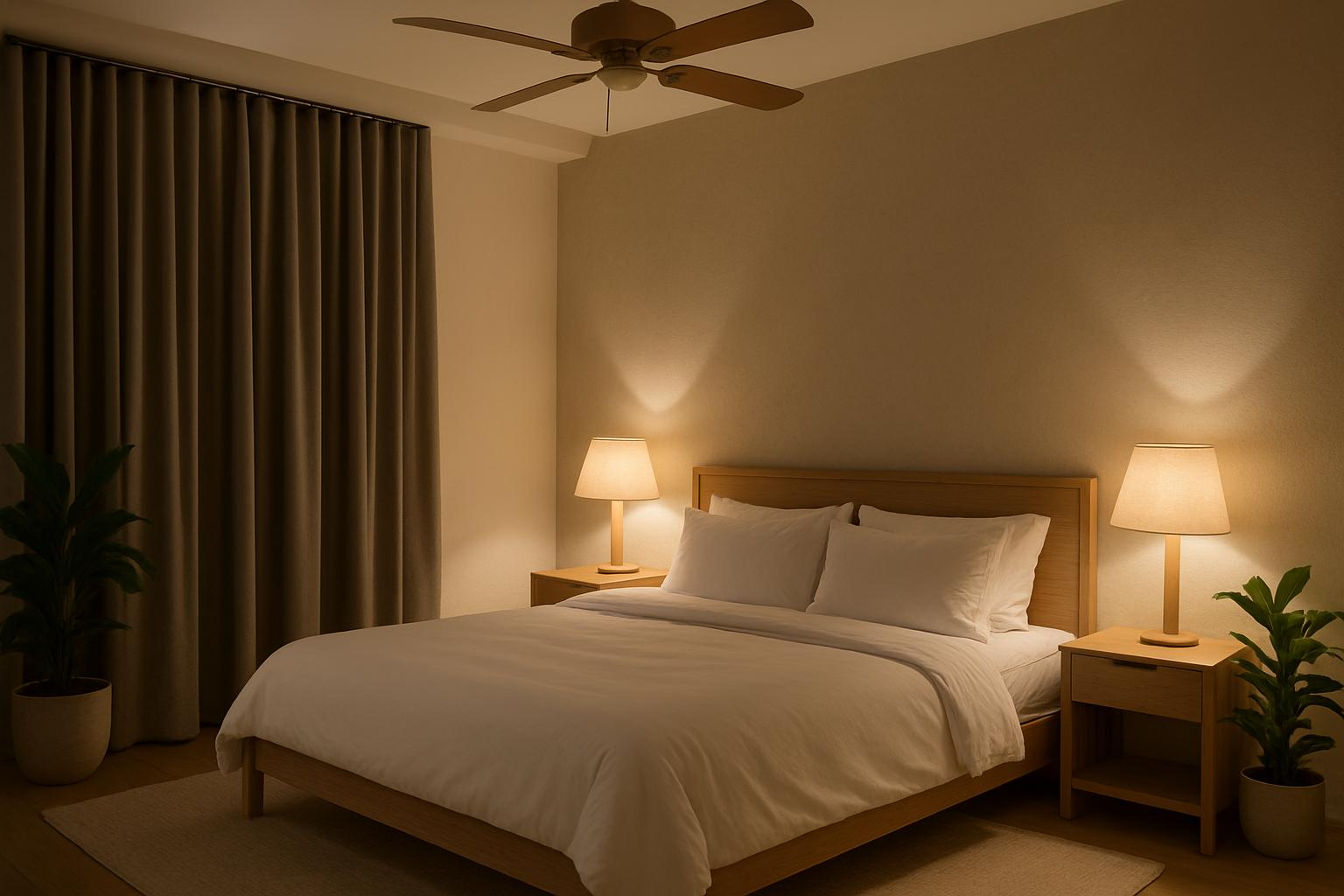
Good lighting is one of the most powerful improvements. A room with one ceiling light can feel flat and harsh, while the same room with a ceiling light, a floor lamp and a table lamp feels warm and flexible. Layered light lets you brighten a room for work, soften it for the evening and highlight a picture or a shelf. Smart bulbs and dimmers make this even easier, because you can change the mood without rewiring the room.
Storage is another theme the site returns to again and again. Clutter makes even a beautiful room feel stressful, and most homes have more storage space than their owners think. The trick is to use it well: shelves above doors, storage under beds, hooks behind doors, baskets in cupboards and furniture that does double duty, such as an ottoman that opens or a bench with space inside. When everything has a place, a room looks calmer and is easier to keep clean.
Paint is the cheapest way to transform a room, but the colour must suit the light. A colour that looks soft in a shop can look cold in a north-facing room or too strong in a small one. The site advises testing paint on the wall, looking at it in daylight and at night,
and living with the sample for a few days before you buy the full tin. Neutral walls with colourful accessories are a safe starting point, because you can change cushions and art far more cheaply than you can repaint.
Decorator Advice for Every Room
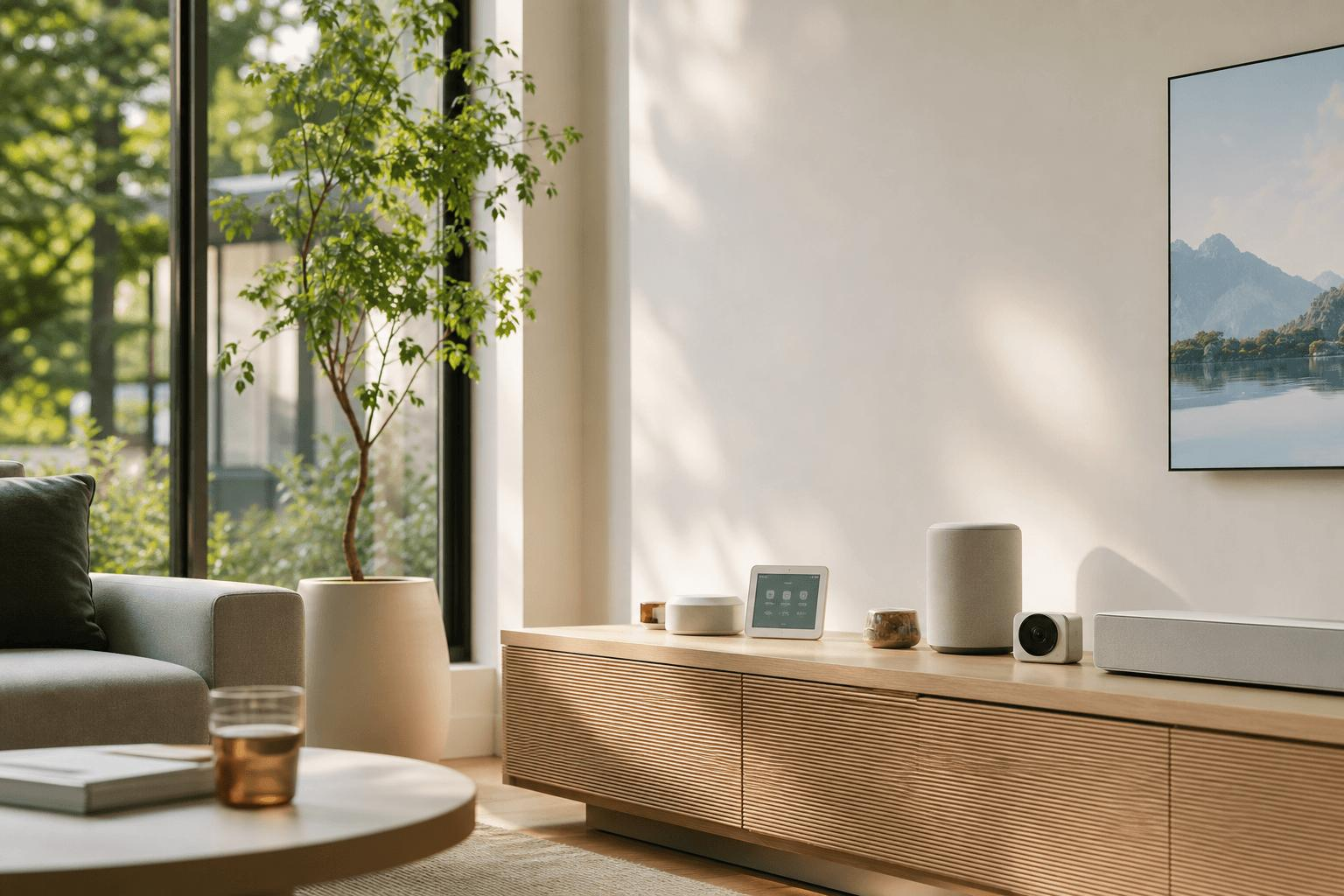
Every room in a home has a different job, so every room needs different decorating. A living room must welcome guests and help a family relax. A bedroom must help you sleep. A kitchen must be practical and easy to clean. A bathroom must cope with water and steam. decorator advice .com treats each room on its own terms, rather than giving one rule for the whole house.
| Room | Main goal | Key tip from Decorator Advice |
|---|---|---|
| Living room | Comfort and conversation | Arrange seating so people face each other, not only the television. |
| Bedroom | Rest and calm | Use soft, layered lighting and keep the bed as the clear focus. |
| Kitchen | Work and storage | Keep worktops clear and store tools near where you use them. |
| Bathroom | Cleanliness and light | Use mirrors and light colours to make a small bathroom feel larger. |
| Home office | Focus and comfort | Put the desk near natural light and keep the background tidy for calls. |
| Garden | Outdoor living | Divide the garden into zones for sitting, eating and planting. |
Small rooms deserve special attention. Light colours, mirrors, furniture with legs that show the floor and curtains hung high and wide can all make a small room feel larger. In a tiny bedroom, a bed with storage underneath and wall-mounted lights free up floor space. In a narrow hallway, a mirror, a slim console and good lighting make the space feel welcoming instead of cramped.
Family homes need durable choices. Washable paint, hard-wearing fabrics, rugs that can be cleaned and furniture with rounded corners are practical when children or pets use a room every day. Style does not have to be sacrificed: many modern fabrics and finishes are both beautiful and tough, and choosing them at the start is cheaper than replacing delicate items later.
How to Use decorator advice .com to Plan a Room
Planning is the part of decorating that most people skip, and it is the part that saves the most money and regret. Before you buy anything, make a simple plan for the room, using the ideas on decorator advice .com as a checklist.
- Write down how the room is used. Who uses it, when, and for what? A living room used for homework, television and guests needs different furniture from one used only in the evening.
- Set a budget and a limit. Decide the total amount you will spend and keep a small reserve for mistakes, delivery and extras you forgot.
- Choose a colour palette. Pick one main neutral colour, one or two supporting colours and one accent colour. Repeat those colours in different parts of the room so it feels connected.
- Plan the lighting first. Decide where the main light, task lights and soft lights will go before you choose furniture, because light affects how every colour looks.
- Buy the largest items first. Sofa, bed, table and rug set the scale of the room. Smaller items such as cushions, lamps and art should be chosen to suit them, not the other way round.
- Take photos as you go. A photograph often shows a problem you cannot see when you are standing in the room, such as a picture hung too high or a rug that is too small.
If you are new to the site, the background pages are worth reading too. About DecoratorAdvice.com explains what the site does and who it is for, and DecoratorAdvice.com About Us gives more detail about its approach to home advice.
Why Homeowners Trust decorator advice .com
Trust in decorating advice comes from usefulness, not from fancy language. Readers trust decorator advice .com because its advice is practical, honest about costs and written for real homes. It does not pretend that every room needs expensive furniture, and it does not hide the hard parts of a project, such as preparation, drying time or the mess that comes with painting.
The site also helps readers avoid the most common decorating regrets. The first is buying furniture that is too large for the room. The second is choosing paint from a small sample instead of testing it on the wall. The third is starting a project without a plan and running out of money halfway through. The fourth is following a trend that does not suit the house. A home should suit the people who live in it and the building itself, not a photograph in a magazine.
Authoritative sources support the same practical approach. The home-design platform Houzz shows how light, layout and storage shape real homes, while Better Homes & Gardens offers room-by-room ideas that work in everyday family homes. Used together with Decorator Advice, these sources help you check an idea from more than one angle before you spend money on it.
Common Decorating Mistakes to Avoid
Even good ideas fail when a basic mistake is made. These are the mistakes decorator advice .com warns readers about most often, and they are all easy to avoid once you know them.
- Hanging curtains too low. Curtains hung just above the window make the room feel shorter. Hang the rod close to the ceiling and let the curtains fall to the floor.
- Choosing a rug that is too small. A small rug floating in the middle of a room makes the furniture look disconnected. The front legs of sofas and chairs should sit on the rug.
- Pushing all furniture against the walls. A small gap behind a sofa, or furniture grouped in the middle of a large room, creates a more comfortable and sociable space.
- Using only one light source. One bright ceiling light creates harsh shadows. Add lamps at different heights for a softer, more flexible room.
- Buying everything at once. A room that is finished in one shopping trip often looks like a showroom. Buy the main pieces first, then add personal items over time.
- Ignoring the entrance. The hallway is the first room visitors see. A mirror, a place for keys and coats, and good lighting make the whole home feel better organised.
Another mistake is copying a style that does not match your home. A very modern, minimal look can feel cold in an old house with low ceilings, while a very traditional look can feel heavy in a bright, modern flat. The best results come from choosing a style that suits the building, the light and the way you live, then adding your own taste on top of it.
Frequently Asked Questions About decorator advice .com
What is decorator advice .com?
decorator advice .com is the website for Decorator Advice, which publishes practical decorating, home improvement, garden and smart-home guides for homeowners and renters. It helps readers improve their homes with ideas that are realistic, affordable and easy to follow.
Is decorator advice .com free to use?
Yes. The articles on decorator advice .com are free to read, and you do not need to create an account to use them. You can browse by topic, read a single guide or work through a whole room plan at your own pace.
What kind of decorating advice does decorator advice .com give?
The site gives advice on colours, furniture layout, lighting, storage, textiles, smart-home devices, gardens and renovations. It covers living rooms, bedrooms, kitchens, bathrooms, home offices and outdoor spaces, with step-by-step ideas for beginners and for more confident DIY readers.
Can beginners use decorator advice .com?
Yes, the site is written for beginners as well as for experienced homeowners. Ideas are explained in plain language, with clear steps and practical tips. If you have never decorated a room before, start with one small project, such as changing the lighting or rearranging the furniture, and build your confidence from there.
Does decorator advice .com cover smart homes?
Yes. Smart-home advice is an important part of the site, including smart lighting, heating, security and speakers. The aim is to add technology that makes a home more comfortable without making it look cluttered or complicated.
How do I start decorating with decorator advice .com?
Start by choosing one room and one problem, then read the guide that matches it. Measure the room, set a budget, choose a colour palette and make one small change first. Live with the change for a week before you decide on the next step.
Where can I learn more about Decorator Advice?
Read About DecoratorAdvice.com and DecoratorAdvice.com About Us for more detail about the site, its purpose and the kind of home advice it publishes.
Conclusion
decorator advice .com is a useful starting point for anyone who wants a better-looking, more comfortable home without wasting money or time. It explains what works, why it works and how to apply it in a real room, from the first measurement to the final cushion. Start with one room and one problem, use the checklists in this guide, and let the room grow with you. A well-decorated home is not finished in a day; it is built one good decision at a time, and Decorator Advice is there to help you make each one.