
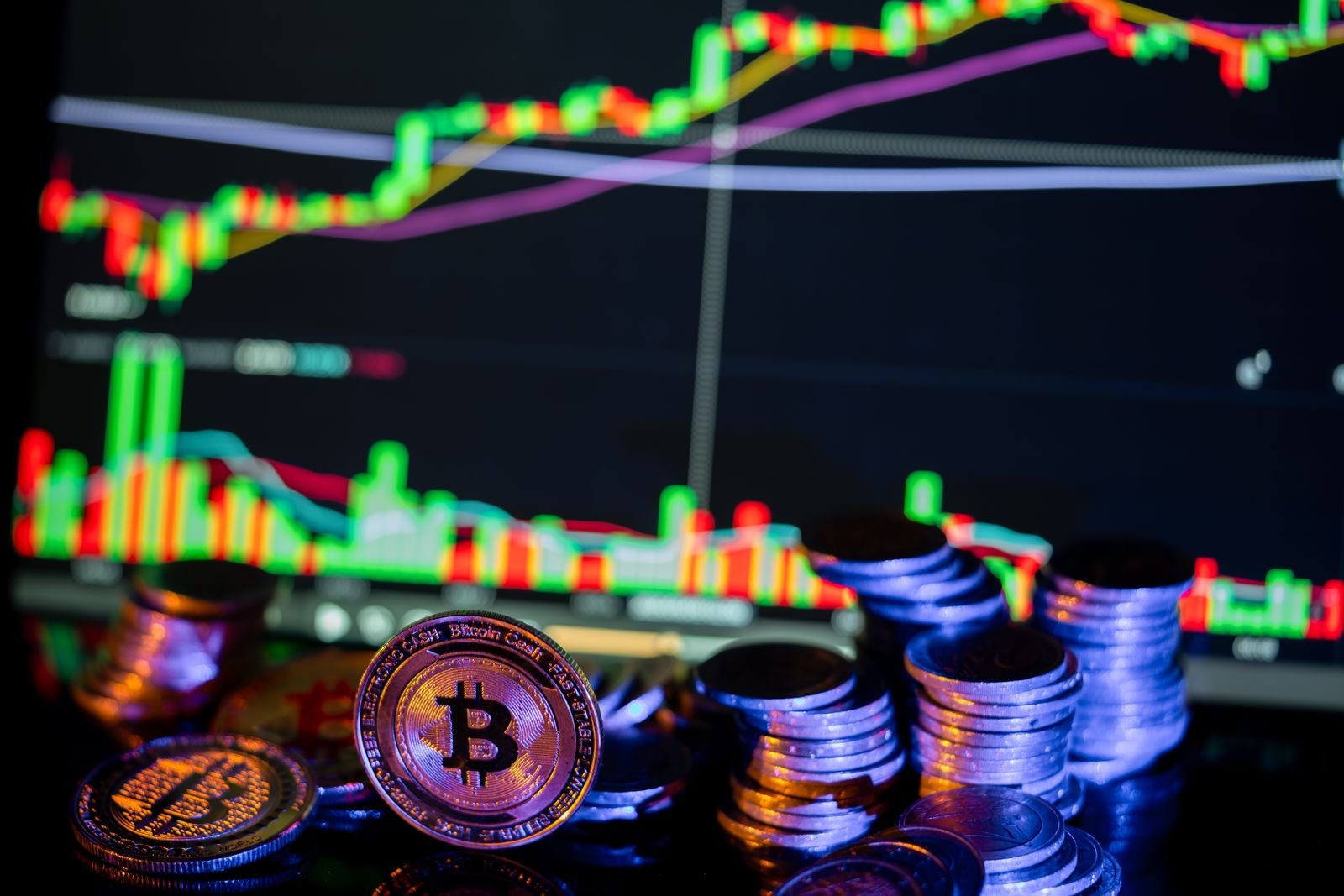
If you searched for fintechasia.net crypto facto, you are looking for clear, trustworthy crypto facts from FinTechAsia.net, the Asian fintech news site. This guide explains what the phrase means, what FinTechAsia.net covers, and the most important facts about cryptocurrency in Asia, in plain language and with no hype.
Crypto can feel confusing. Prices move fast, new coins appear every week, and every source seems to say something different. This article gives you the facts that matter: how crypto works, which coins are the most important, what the rules are in major Asian countries, and how to read crypto news without being misled.
Read it in order, or jump to the section you need. By the end, you will know how to spot good crypto information, what the risks are, and where beginners should start learning.
What Is FinTechAsia.net?
FinTechAsia.net is a news and information website about financial technology in Asia. It covers the companies, products, rules and trends that are changing how people in Asia pay, save, borrow and invest.
Its crypto coverage follows new coins and tokens, blockchain projects, exchanges, stablecoins, central bank digital currencies (CBDCs), and the rules that governments in Asia set for digital assets. For readers, it is a place to follow what is happening in Asian fintech without needing a finance degree.
FinTechAsia.net is useful because Asia is not one market. Japan, Singapore, India, South Korea, Hong Kong and China all treat crypto differently, and a site that follows the whole region helps readers compare them side by side.
What Does “fintechasia.net crypto facto” Mean?
The phrase fintechasia.net crypto facto is most likely a short search spelling of “crypto facts” – facts about cryptocurrency as covered by FinTechAsia.net. People type it when they want quick, reliable facts about crypto in Asia rather than rumours from social media.
There is no secret meaning behind it. It is a search query, and this article answers it directly: here are the crypto facts, explained simply, with sources you can check.
One thing to keep in mind is that crypto facts change. Prices change every minute, and rules change every year. The facts in this article cover the ideas and rules that stay true over time. Always check the date on any crypto article you read, and confirm prices and rules with a second source.
Crypto in Asia at a Glance
Asia is the centre of crypto activity. Some of the world’s largest crypto exchanges started in Asia, much of the biggest trading volume comes from Asian time zones, and several Asian governments are leaders in digital currency research.
| Country or region | How crypto is treated | What it means for ordinary people |
|---|---|---|
| Japan | Legal payment method, licensed exchanges | You can buy and pay with crypto under clear rules |
| Singapore | Licensed exchanges, strong consumer warnings | Trading is allowed, but ads aimed at the public are limited |
| Hong Kong | Licensed exchanges, retail trading allowed under rules | Licensed platforms can serve ordinary investors |
| South Korea | Real-name accounts, licensed exchanges | You must use your real name to trade on exchanges |
| India | Legal to own, taxed, rules still developing | You can hold crypto and pay tax on gains |
| China | Crypto trading and mining banned, digital yuan tested | Private crypto is not allowed; the state digital currency is separate |
The table shows the key point: there is no single “Asian” rule for crypto. Each country has its own approach, and that is why regional coverage from a site like FinTechAsia.net matters.
10 Crypto Facts You Should Know
Here are ten facts that explain most of what people need to know about cryptocurrency.
- Bitcoin started it all. Bitcoin was created in 2009. It was the first cryptocurrency, and it is still the largest by market value. Most crypto news still starts with Bitcoin’s price.
- Crypto is digital money without a central bank. A cryptocurrency is a digital asset you can send to another person over the internet, without a bank in the middle. No single company or government controls Bitcoin itself.
- Blockchain is the record book. Every crypto transaction is written into a shared record called a blockchain. Many computers hold a copy, which makes the record very hard to change after the fact.
- There are thousands of coins, but only a few matter most. Bitcoin and Ethereum are the two largest. After them come stablecoins, which are designed to stay close to the value of a regular currency, and a long list of smaller tokens.
- Prices are volatile. Crypto prices can rise or fall by a large amount in a single day. That is normal for this market, and it is the main reason experts warn beginners to be careful.
- You own crypto with a key, not a password alone. Your crypto is controlled by a private key, a long secret code. If you lose it, you usually cannot recover your coins. If someone else gets it, they can take your coins.
- Stablecoins are pegged to regular money. A stablecoin such as USDT or USDC aims to stay equal to one US dollar. Traders use them to move money between exchanges without touching a bank.
- Exchanges are where most people buy crypto. An exchange is a platform where you can buy, sell and store crypto. Regulated exchanges check your identity, like a bank does.
- Regulation is different in every country. As the table above shows, Japan licenses exchanges, Singapore licenses them with strict consumer rules, and China bans trading. Always check the rules where you live.
- Scams are common, and they look professional. Fake giveaways, fake exchanges and “guaranteed returns” are everywhere in crypto. No real investment guarantees returns, and no real exchange will ever ask for your private key.
How Blockchain Works in Simple Words
Think of a blockchain as a notebook that thousands of people share. Every time someone sends crypto, the transfer is written in the notebook. Once a page is full, it is locked and linked to the next page. That chain of locked pages is the blockchain.
Because so many computers hold a copy of the notebook, changing an old entry would mean changing thousands of copies at once. That is what makes blockchain records hard to fake. There is no single office that can edit the book in secret.
New pages are added by computers that check each transaction first. On Bitcoin, this checking is called mining. On other blockchains, such as Ethereum, it is called staking. The computers that do the work earn a small reward in crypto.
Blockchain also runs smart contracts. A smart contract is a small program on the blockchain that runs itself when its conditions are met. For example, it can release a payment automatically when a delivery is confirmed. Connected devices are already part of this story, as our guide to internet of things examples shows.
Popular Cryptocurrencies Explained
New coins appear all the time, but a small group does most of the work in the crypto world. Here are the main ones, in plain words.
| Coin | What it is | What people use it for |
|---|---|---|
| Bitcoin (BTC) | The first and largest cryptocurrency | Store of value, payments |
| Ethereum (ETH) | A platform for apps and smart contracts | Apps, digital art, decentralised finance |
| USDT and USDC | Stablecoins pegged to the US dollar | Trading, moving money between exchanges |
| BNB | The coin of the Binance exchange | Trading fees and exchange services |
| XRP | Built for fast cross-border payments | Bank transfers and remittances |
| Solana (SOL) | A fast blockchain for apps | Apps, trading and digital collectibles |
Bitcoin and Ethereum together make up most of the total crypto market value. If you understand those two, you understand most crypto headlines. The others matter too, but they are smaller and often more volatile.

Crypto Rules in Asia
Japan was one of the first countries to give crypto clear rules. It treats crypto as a legal payment method, and exchanges must be licensed with the Financial Services Agency. Japan’s policy shifts still make headlines across Asia, including the political stories covered in our Education section, such as the recent coverage of Japan’s government and energy policy.
Singapore licenses crypto firms under its Payment Services Act. The Monetary Authority of Singapore is known for being both open to fintech and firm about consumer protection. It warns the public that crypto is risky, and it limits how crypto firms can advertise to everyday consumers.
Hong Kong now licenses crypto exchanges and allows them to serve retail investors under strict rules, including checks on the coins they list. It wants to be a regulated crypto hub, not an unregulated one.
South Korea requires real-name bank accounts for crypto trading, and only licensed exchanges can operate there. The country is also a leader in blockchain games and digital assets, which keeps its rules in the news.
India allows people to own crypto but taxes gains from it, and the rules are still developing. Indian regulators have moved between caution and acceptance, so Indian readers should check the latest rules every year.
China has banned crypto trading and mining, while building its own digital currency, the e-CNY. The Bank for International Settlements follows central bank digital currencies closely, and its research is a good place to compare how different countries approach them.
Benefits and Risks of Crypto
Crypto has real benefits, and real risks. A balanced view means holding both in mind at the same time.
| Benefits | Risks |
|---|---|
| Fast cross-border payments, any time of day | High price swings, sometimes in a single day |
| No bank account needed to receive crypto | No refund if you send coins to the wrong address |
| Open markets that trade 24 hours a day | Scams, hacking and fake exchanges |
| Public records anyone can check | Losing your private key means losing your coins |
| Financial access for people without banks | Unclear or changing rules in some countries |
The biggest risk for beginners is not the technology. It is behaviour: buying at the top of a hype cycle, trusting a stranger online, or storing coins on an exchange without checking whether it is licensed. Exchanges are software, and software can have weaknesses, as our guide to .net vulnerability explains in a different context. Regular updates, strong passwords and two-factor authentication are the basics, in crypto as in any software.

How to Read Crypto News Safely
Crypto news moves fast, and not all of it is trustworthy. Use these checks before you believe a story or act on it.
- Check the source. Is it a known news site, a regulator, or an anonymous social media account? Known fintech news sites and regulators are the safest starting points.
- Check the date. A 2021 article about crypto rules is probably out of date. Rules and prices change quickly, so recent sources matter more.
- Look for the original document. A good article links to the law, the report or the announcement it is describing. If it does not, treat its claims with care.
- Be careful with “guaranteed” claims. Anyone promising guaranteed profits in crypto is almost certainly selling something, or running a scam.
- Compare two or three sources. If a big story is real, more than one reliable source will report it. If only one account is pushing it, wait before you act.
- Watch for sponsored content. Some crypto articles are paid promotions. A small “sponsored” label is a sign to read the claims with extra care.
The International Monetary Fund also publishes guidance on crypto rules, and it is a useful second source when you want a global view rather than one country’s view.
How to Start Learning About Crypto
If you are new, learn before you spend anything. That single habit separates careful learners from people who lose money.
- Learn the basics first. Start with Bitcoin, blockchain and wallets. If you cannot explain a coin in one sentence, you do not understand it yet.
- Follow regulated sources. Read fintech news sites and regulator announcements rather than price tips on social media.
- Learn how wallets work. Understand the difference between a wallet you control and coins held on an exchange.
- Start tiny, or not at all. If you ever decide to buy, treat it as learning money you can afford to lose, not as an investment plan.
- Keep records. Note what you bought, when, and for how much. Many countries tax crypto gains, and good records make tax time easier.
Frequently Asked Questions
What does “fintechasia.net crypto facto” mean?
It is most likely a short search spelling of “crypto facts” on FinTechAsia.net. People search for it when they want simple, reliable facts about cryptocurrency in Asia, which is what this guide provides.
Is crypto legal in Asia?
It depends on the country. Japan, Singapore, Hong Kong and South Korea allow licensed crypto trading. India allows ownership and taxes gains. China bans crypto trading and mining. Always check the rules where you live.
What is the difference between Bitcoin and Ethereum?
Bitcoin is mainly a digital store of value and a way to send money. Ethereum is a platform that runs apps and smart contracts, with its own coin (ETH) as fuel. Bitcoin is older and larger; Ethereum does more kinds of work.
What is a stablecoin?
A stablecoin is a crypto token designed to hold a steady value, usually one US dollar. USDT and USDC are the best-known examples. Traders use them to move value quickly without using a bank.
Can I lose all my money in crypto?
Yes, that is possible. Prices can fall sharply, exchanges can fail, and scams can take your money. Never put in money you need for rent, food or bills, and never borrow money to buy crypto.
Is FinTechAsia.net a crypto exchange?
No. FinTechAsia.net is a news and information website. It reports on crypto and fintech; it does not sell crypto or run an exchange. You cannot buy coins there.
Where can I check crypto rules for my country?
Start with your country’s financial regulator, such as the Financial Services Agency in Japan or the Monetary Authority of Singapore. Regulator websites are the most reliable source for rules. You can browse more learning guides like this one in our Education category on Decorator Advice, or contact us if you spot an error in this guide.
Conclusion
fintechasia.net crypto facto means one thing in practice: clear crypto facts about Asia, from a fintech news site that follows the region. Bitcoin started crypto, blockchain keeps the records, a few big coins do most of the work, and every Asian country has its own rules. Prices move fast and scams are common, so the most valuable habit is simple: check the source, check the date, and never trust a promise of guaranteed profit.
Keep learning in small steps, and use reliable guides. If this article helped, share it with a friend who is new to crypto too.
[…] Physic Master Programs in Italy: Complete 2026 Guide fintechasia.net crypto facto .net vulnerability %internet of things examples […]
[…] our Education articles, or read our related guides: Building Physic Master Programs in Italy and FintechAsia.net Crypto Facto. You can also compare study notes with a Google search for Glaspell irony and mistreatment of women […]
[…] Master Programs in Italy: Complete 2026 Guide, or explore more of our research articles such as FintechAsia.net Crypto Facto and Internet of Things Examples. You can also see the live search results with a Google search for […]