
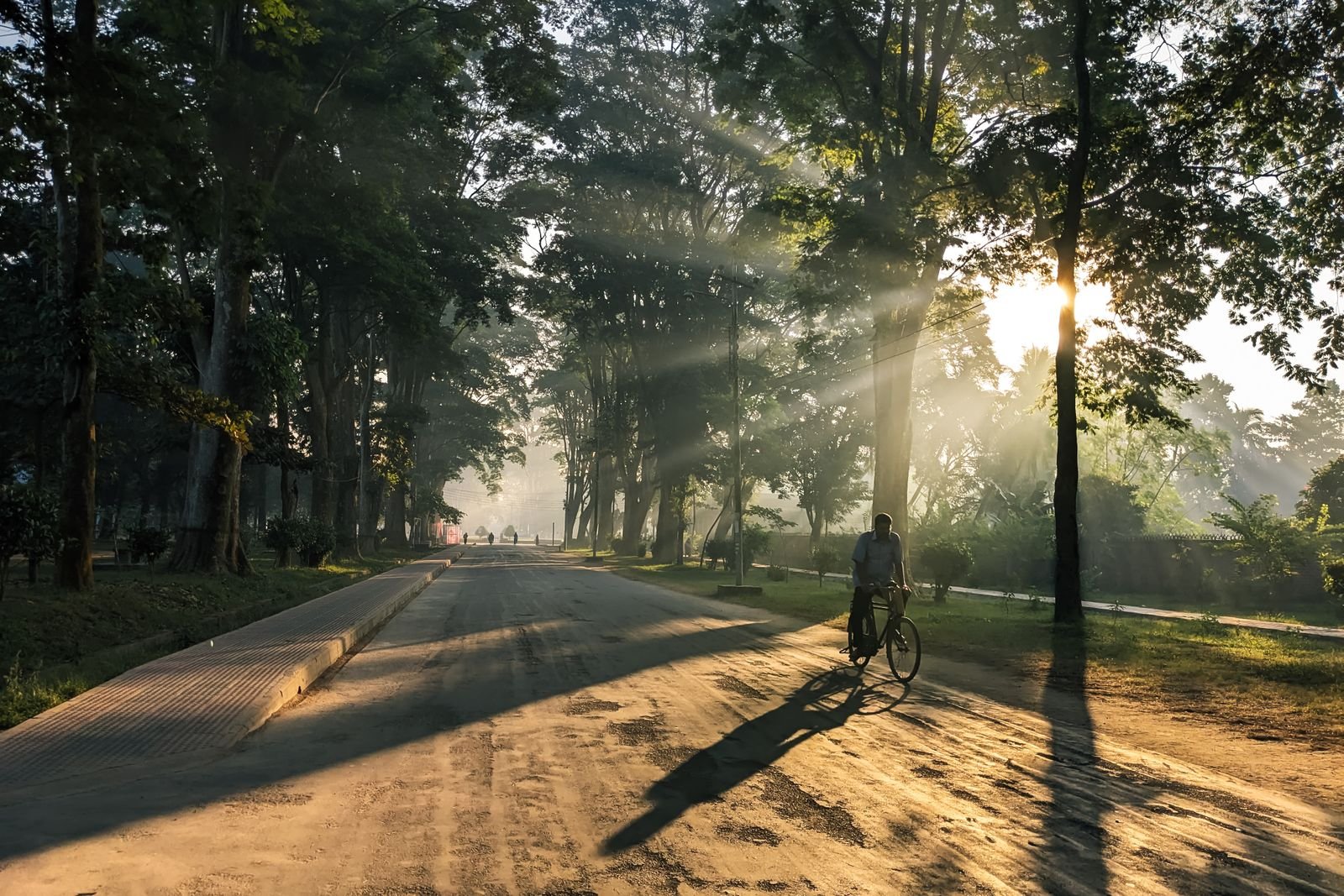
Describe how exercise can positively affect your environmental health — and the answer is yes, in two clear ways. First, active transport and outdoor exercise replace car trips and energy-hungry gyms, so you cut air pollution and energy use. Second, time in nature builds a real connection to your surroundings, which leads to greener daily habits and stronger support for parks and green spaces. In this guide, you will learn the science, the numbers, and a simple 7-day plan to move more while helping the planet.
If you are new here, start with our guide to the 6 dimensions of health. It explains how physical, mental, emotional, social, spiritual, and environmental health work together.
What Is Environmental Health?
To describe how exercise can positively affect your environmental health, you first need to understand what environmental health means. It is the health of the places where you live, work, and play — clean air and water, safe streets, healthy homes, and green spaces.
Good environmental health means clean air and water, safe streets, and a park near your home. Poor environmental health means more pollution, fewer trees, and fewer safe places to move. Exercise is one of the simplest daily choices that helps.
That is why environmental health is one of the 6 dimensions of wellness. When your air is cleaner and your parks are safer, it is easier to stay active and feel calm. When you move more outdoors, you also help protect those places.
Describe How Exercise Can Positively Affect Your Environmental Health
Exercise helps the environment in small ways that add up fast. One walk instead of one drive may seem small, but repeat it five times a week for a year and the impact is real. The eight points below show how.
1. Less Air Pollution From Walking and Cycling Instead of Driving
Cars and trucks are a major source of air pollution in cities. Their exhaust harms your lungs and warms the planet. When you walk or cycle for a short trip, you remove one car from the road.
According to the US Environmental Protection Agency, transportation accounts for about 27% of greenhouse gas emissions in the United States. That makes it the largest source in the country. Every short trip you replace matters most, because cars use more fuel in the first few miles when the engine is cold.
Try this rule: if the trip is under 2 miles, walk or cycle when you can. That covers trips to the shop, school, or park. You get exercise, save fuel, and help neighbors breathe cleaner air.
2. Lower Carbon Footprint
Your carbon footprint is the total amount of greenhouse gases linked to your daily life. Transport is a large part of it for most people. Walking has almost no carbon footprint, and cycling has a very small one.
Driving the same distance creates far more emissions, even in a modern car. Public transport is better than driving alone, but walking and cycling are still cleaner.
Replace a few car trips each week with active travel, and your footprint drops fast.
3. Less Energy Use Than Gyms
Gyms use a lot of energy. Treadmills, bikes, and weight machines need power. Lights, fans, air conditioning, showers, and laundry add more. A large gym can use as much energy as many homes combined.
Outdoor exercise uses almost no extra energy. The sun gives you light and the wind cools you. A park bench, hill, or steps can be your gym. Squats, push-ups, lunges, and planks need no machine.
Gyms are still useful in bad weather and for strength training. But move even half your workouts outdoors, and you save energy and get fresh air too.
4. More Green Spaces Protected and Created
People protect what they use and love. When more people walk, run, and cycle in parks, local leaders see that green spaces matter. Parks get more funding, better paths, and more trees when the community uses them every day.
Exercise also creates demand for new green spaces. A busy trail shows people want safe, green routes. A popular park run can lead to new play areas and gardens. Your feet are a vote for more nature.
Read our wellness explained guide to see how this fits the bigger picture. When your environment improves, your health improves too. It is a cycle that works in both directions.
5. Less Waste — Reusable Bottles and Sustainable Gear
Exercise can create waste, or it can reduce it. The choice is yours. A reusable water bottle can replace hundreds of single-use plastic bottles in a year. A good pair of shoes, used well and repaired when needed, creates less waste than cheap shoes you replace often.
Choose gear that lasts. Look for recycled fabrics, repair services, and second-hand bikes and clothes. Wash in cold water, air-dry, and use items until they wear out.
Avoid single-use items at the gym and on the trail. Bring your own bottle, towel, and bag. Refuse plastic cups and wrappers when you can. Your workout should leave you healthier, not leave more trash behind.
6. Green Exercise — Nature and Movement Science
Green exercise means moving your body in nature — in a park, forest, by a river, or on a beach. It is exercise and being outside at the same time, and research shows the mix is powerful. Green exercise is, in practice, the simplest way to describe how exercise can positively affect your environmental health: movement powered by nature, not by machines.
A meta-analysis by Barton and Pretty found a medium effect on self-esteem (d = 0.46) and mood (d = 0.54). In simple terms, people felt better about themselves and happier after green exercise, even after short sessions.
Other research points the same way. Spending at least 120 minutes a week in nature is linked to better health and well-being — just 20 minutes a day. You also get vitamin D, cleaner air away from traffic, and lower stress. Trees release natural compounds called phytoncides, and forest time is linked to lower cortisol, the stress hormone.
You do not need a mountain or wild forest. A local park, tree-lined street, or community garden can work. Learn more in this overview of green exercise. The key is to move and breathe deeply outside.

7. Healthier, More Sustainable Daily Habits
People who exercise outdoors often start to live greener in other ways. You notice litter on your route, so you pick it up. You see local food at a market on your walk, so you buy it.
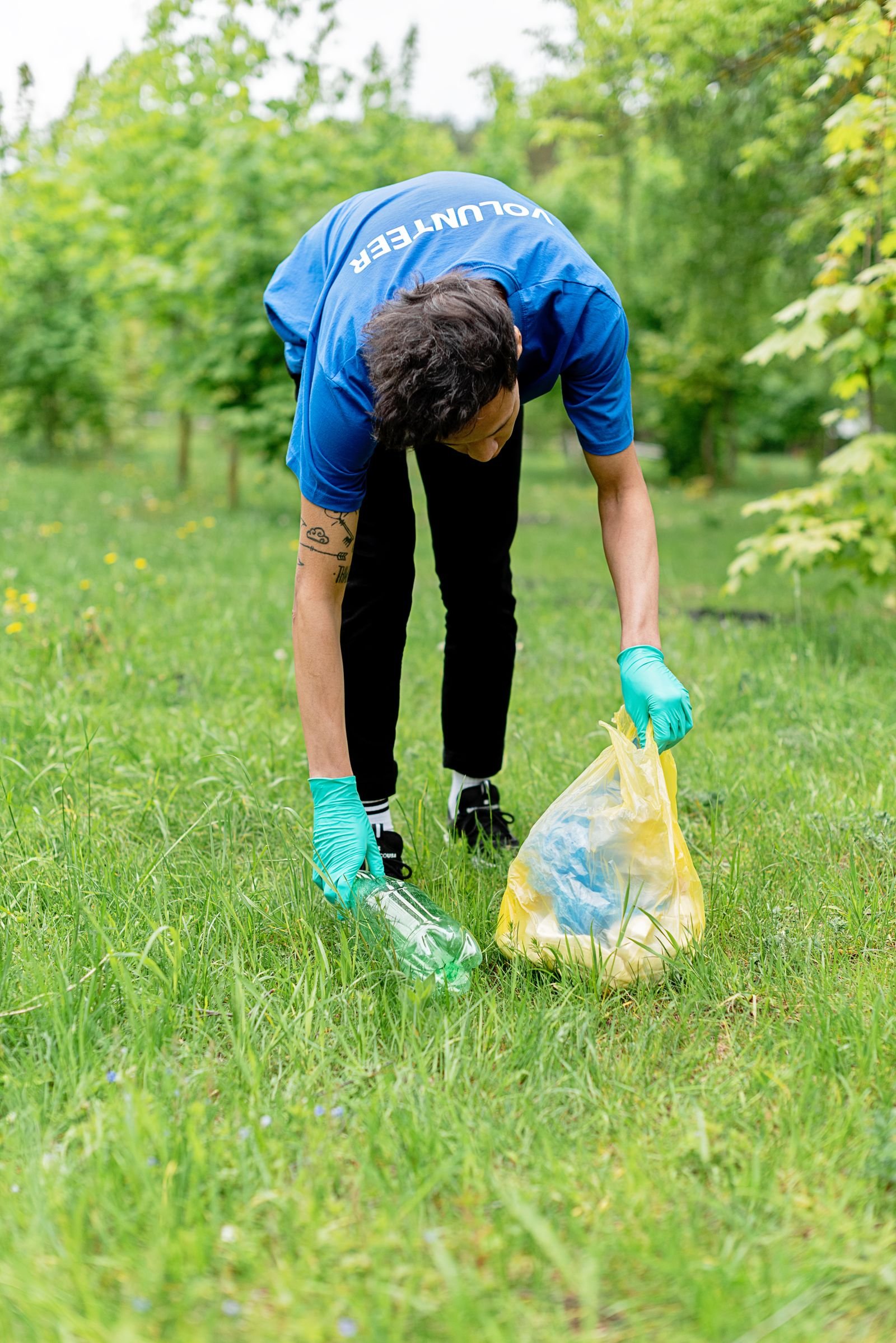
Plogging is a good example. It means picking up litter while you jog or walk. You get a workout, your street gets cleaner, and other people see that someone cares. Gardening is another example. Digging, planting, and weeding count as movement, and they give you fresh food and a greener home.
Exercise also helps you sleep better and feel less stressed. When you sleep well, you make better food choices and have more energy to cook and walk. Healthy habits support each other.
8. Stronger Communities and Lower Healthcare Strain
Group exercise builds stronger communities. A walking group, a park run, or a cycling club brings neighbours together. People talk, share routes, and look out for each other. Safe, active streets feel safer for children and older people too.
Active people also tend to need less medical care over time. Regular movement lowers the risk of heart disease, type 2 diabetes, and other long-term problems. That means fewer hospital visits and less pressure on health services.
This link between body and community is why how the components of health are related to wellness matters so much. Your health is not only about you. When you stay active, you help your family, your street, and your city stay healthier too.
Outdoor vs Indoor Exercise for the Environment
To describe how exercise can positively affect your environmental health in real life, compare outdoor and indoor training side by side. Both can keep you fit. Outdoor exercise is usually cleaner and cheaper, with a stronger link to nature. Indoor exercise is useful in bad weather or when you need special equipment.
| Factor | Outdoor Exercise | Indoor Exercise |
|---|---|---|
| Energy use | Very low — sunlight and fresh air | Higher — machines, lights, air conditioning |
| Air pollution | Cuts car trips if you walk or cycle there | No direct cut, unless you walk to the gym |
| Connection to nature | High — parks, trees, fresh air | Low — walls, screens, recycled air |
| Cost | Low — mostly free | Higher — gym fees and travel |
| Weather | Depends on rain, heat, and cold | Reliable in all weather |
| Best for | Walking, running, cycling, hiking | Strength training, classes, bad weather days |
The best plan mixes both. Use the outdoors when you can, and the gym when you need it. Walk or cycle to the gym instead of driving. For more ideas, browse our Health category.
A Simple 7-Day Eco-Friendly Exercise Plan
This 7-day plan shows one practical way to describe how exercise can positively affect your environmental health in daily life. It follows the World Health Organization guideline of 150 minutes of moderate activity each week, or 75 minutes of vigorous activity. Moderate means you can talk, but you feel warm and breathe faster. Vigorous means you can only say a few words at a time.
| Day | Activity | Time | Eco Tip |
|---|---|---|---|
| Monday | Walk or cycle to work, school, or shops | 30 min | Leave the car at home |
| Tuesday | Bodyweight workout in a local park | 30 min | Use benches and steps, no machines |
| Wednesday | Gentle walk and stretch in nature | 20 min | Bring a reusable bottle |
| Thursday | Cycle on a green route or quiet street | 30 min | Check your bike tyres and brakes first |
| Friday | Gardening, or a brisk walk with a friend | 30 min | Grow herbs or pick up litter |
| Saturday | Hike, long park walk, or family walk | 45 min | Take a reusable bag for litter |
| Sunday | Easy walk, play, and 10 min of plogging | 30 min | Wear gloves and pick up litter safely |
That adds up to 215 minutes for the week, above the 150-minute goal. Swap days to fit your life. If you miss a day, add 10 minutes to the next two days. Rest when you feel tired or unwell. That weekly total is a practical way to describe how exercise can positively affect your environmental health, one day at a time.
Start small if you are new to exercise. Even 10 minutes a day helps. Build up by 10 minutes each week until you reach 150 minutes. For more weekly ideas, see our more Health guides.

How to Exercise in an Eco-Friendly Way
You do not need special gear to exercise in a green way. Use what you have, move outdoors when you can, and leave each place cleaner than you found it. These six tips make it easy. In short, to describe how exercise can positively affect your environmental health, start with what you already own: your feet, a bike, and your local park.
1. Walk or cycle to your workout. Skip the car for short trips. You warm up on the way there and cool down on the way back.
2. Use parks, trails, and your own bodyweight. Squats, lunges, push-ups, and step-ups need no power. A hill is free strength training.
3. Carry a reusable bottle and bag. Fill your bottle at home. Bring a small bag for litter, keys, and snacks, and skip single-use plastic.
4. Choose gear that lasts. Buy good shoes and clothes, repair them, and buy second-hand when you can.
5. Exercise at the right time. Train in the morning or evening in summer to avoid heat and use daylight.
6. Support local green spaces. Join a park clean-up, a tree-planting day, or a community garden. Your time helps nature more than money alone.
3 Mistakes to Avoid
1. Driving to the gym for a short workout. A 5-minute drive to run on a treadmill wastes fuel and time. Walk, cycle, or run outdoors instead.
2. Using single-use plastic every time. Plastic bottles, cups, and wrappers add up fast. One reusable bottle can replace hundreds of plastic bottles in a year.
3. Leaving trails damaged. Stay on marked paths, do not pick wild flowers, and take all your litter home. Wet trails need extra care, so walk around muddy spots, not through them.
FAQs: Describe How Exercise Can Positively Affect Your Environmental Health
Does exercise really help the environment?
Yes. To describe how exercise can positively affect your environmental health in simple terms, walking or cycling instead of driving cuts air pollution, and outdoor movement builds care for green spaces. Small changes add up when many people choose active travel most days.
Is walking better than driving for the environment?
Yes, for most short trips, walking is better because it produces no exhaust and uses no fuel. A 20-minute walk to the shops can replace a car trip and still count as daily activity. It also gives you fresh air and time outdoors. Walking instead of driving is one of the clearest ways to describe how exercise can positively affect your environmental health.
How much outdoor exercise do I need each week?
Aim for at least 150 minutes of moderate activity each week, or 75 minutes of vigorous activity, as recommended by health experts. To describe how exercise can positively affect your environmental health at this level, try five 30-minute walks or cycles in local parks and streets. You can split the time into short 10-minute sessions if that fits your day better.
Is indoor exercise bad for the environment?
No, indoor exercise is not bad, and any movement is better than none. It can use more electricity for machines, lights, and air conditioning than outdoor exercise. You can lower that impact with bodyweight workouts, walking to the gym, and using fans instead of air conditioning.
What is plogging and how does it help?
Plogging means picking up litter while you jog or walk, and it started in Sweden. It helps your local park or street stay clean while you get a full-body workout from bending and carrying. Bring gloves and a reusable bag to improve your fitness and neighborhood in one session.
Conclusion
Exercise helps you and the planet at the same time. Walk or cycle for short trips, train outdoors when you can, use a reusable bottle, and care for your local park. Start with one change this week. Every choice to walk, cycle, or train outdoors is another way to describe how exercise can positively affect your environmental health.
To see how this fits your full health picture, read our guide to the 6 dimensions of health. Your environment, body, and mind work together. In short, to describe how exercise can positively affect your environmental health is to look at cleaner air, greener parks, and healthier communities — all built one workout at a time.
 admin
[…] site, visit the Decorator Advice homepage, browse our Health articles, and read our related guides: How Exercise Positively Affects Environmental Health and Poor Physical Health Affects Social Health. You can also compare your activity plan with a […]