
To explain why exercise is an important component of good physical fitness, think of the body as a machine that needs to be used to stay in good working order. Exercise strengthens the heart, builds muscle and bone, controls weight, lifts mood, improves sleep and sharpens the mind. Without it, fitness fades — muscles weaken, the heart works less efficiently, and the risk of disease rises. This guide explains each benefit in plain language, shows how much exercise you actually need, and gives a simple plan for starting, whatever your age or fitness level.
Physical fitness is not about looking a certain way. It is about what your body can do: walk up stairs without getting out of breath, lift and carry things, keep your balance, and recover quickly from effort. Exercise is the main way we build and keep that ability, and the evidence for it is among the strongest in all of medicine. To explain why exercise is an important component of good physical fitness, start with what your body can do each day.
What Is Good Physical Fitness?
Good physical fitness has five parts. The first is cardiorespiratory endurance — how well your heart and lungs supply oxygen during activity. The second is muscular strength — how much force your muscles can produce. The third is muscular endurance — how long your muscles can keep working. The fourth is flexibility — how freely your joints move. The fifth is body composition — the balance of fat and lean tissue in your body.
Exercise improves all five. Aerobic exercise, such as walking, running, cycling and swimming, builds endurance. Resistance exercise, such as lifting weights or doing press-ups, builds strength and endurance. Stretching and yoga build flexibility. Together, they improve body composition by burning fat and building muscle. These five parts are the clearest way to explain why exercise is an important component of good physical fitness.
You do not need to be an athlete to be fit. For most people, good fitness means being able to do daily life easily, with energy left over for the things you enjoy. The World Health Organization defines physical activity as any movement that uses your muscles and requires energy, and it recommends regular activity for people of all ages. See the WHO fact sheet on physical activity for the global guidance. You do not need to be an athlete to explain why exercise is an important component of good physical fitness to a friend.
Explain Why Exercise Is an Important Component of Good Physical Fitness for Your Heart
Exercise is the best medicine for the heart. When you move, your heart gets stronger and pumps blood more efficiently, so your resting heart rate falls. Regular activity lowers blood pressure, improves cholesterol, helps control blood sugar, and keeps the arteries flexible. Doctors often explain why exercise is an important component of good physical fitness when they prescribe movement for heart health.
Over time, these effects cut the risk of heart disease, heart attack and stroke very substantially. Studies show that people who are regularly active have about 30 to 40 percent lower risk of heart disease than people who are inactive. Even walking briskly for 30 minutes a day makes a real difference. These long-term effects explain why exercise is an important component of good physical fitness for a longer, healthier life.
Exercise also helps the heart recover. After a heart attack, doctors often prescribe cardiac rehabilitation — a supervised exercise program that rebuilds fitness safely. The heart is a muscle, and like every muscle, it gets stronger when it is used properly. The CDC physical activity pages explain the heart benefits of regular movement.

Strong Muscles, Bones and Balance
Muscles need resistance to stay strong. Without it, we lose muscle from our 30s onward, in a process called sarcopenia. Strength training slows that loss and helps older adults stay independent. It also protects joints, because strong muscles support and stabilise them. Strength training helps explain why exercise is an important component of good physical fitness as we age.
Bones need loading too. Weight-bearing exercise, such as walking, dancing and lifting, signals the bones to stay dense. This matters most for older adults and for women after menopause, who are at risk of osteoporosis — the thinning of bones that leads to fractures. The bone benefits also explain why exercise is an important component of good physical fitness for lifelong mobility.
Balance is another benefit that is often forgotten. Exercise that challenges balance — tai chi, yoga, single-leg standing — reduces falls, which are a leading cause of injury in older people. Good fitness is not just about the heart: it is about staying steady on your feet for life.
Exercise, Weight and Energy
Exercise helps control weight by burning calories and by building muscle, which burns more energy even at rest. It is not a magic solution on its own — food matters more for weight loss — but people who exercise regularly are far more likely to keep weight off once they have lost it. Regular activity helps explain why exercise is an important component of good physical fitness for healthy weight control.
Exercise also gives you more energy, which surprises people who feel tired. Moving more improves sleep, raises mood and increases the body’s ability to produce energy, so people who exercise regularly usually feel less tired over the day, not more.
The benefits begin quickly. After a single session of exercise, blood sugar control improves, mood lifts, and sleep is deeper. After a few weeks, fitness improves noticeably. After a few months, blood pressure, cholesterol and weight all improve. These quick benefits explain why exercise is an important component of good physical fitness for busy people too.
Exercise, Mood and Mental Health
Exercise is one of the most effective treatments for low mood, stress and anxiety. It releases endorphins and other brain chemicals that improve mood, and it lowers stress hormones such as cortisol. It also gives structure, achievement and, for group exercise, social contact, which is itself good for mental health.
Research shows that regular exercise works as well as medicine for mild to moderate depression in many people, and it helps anxiety and sleep. It also protects the brain in later life: active people have lower risk of dementia and keep their memory and thinking skills for longer.
Harvard Health Publishing, from Harvard Medical School, has written extensively about exercise and the brain and about how movement helps depression and anxiety. See their guidance on the Harvard Health website. You do not need to run a marathon to get these benefits — a daily walk works well for many people.
How Much Exercise Do You Need?
The guideline for adults is 150 minutes of moderate activity a week, or 75 minutes of vigorous activity, plus muscle-strengthening activity on two or more days. Moderate activity means you can talk but not sing — brisk walking counts. Vigorous activity means you can only say a few words at a time — running counts.
You can break the 150 minutes into pieces that fit your life: 30 minutes on five days, or 10-minute walks after meals. Children and young people need more — 60 minutes a day. Older adults should add balance exercises twice a week.
More is better, up to a point, but do not let the perfect be the enemy of the good. Some exercise is much better than none, and the biggest benefit comes from moving from doing nothing to doing something. The NHS in the United Kingdom publishes clear weekly targets on the NHS exercise pages.
Types of Exercise and What They Do
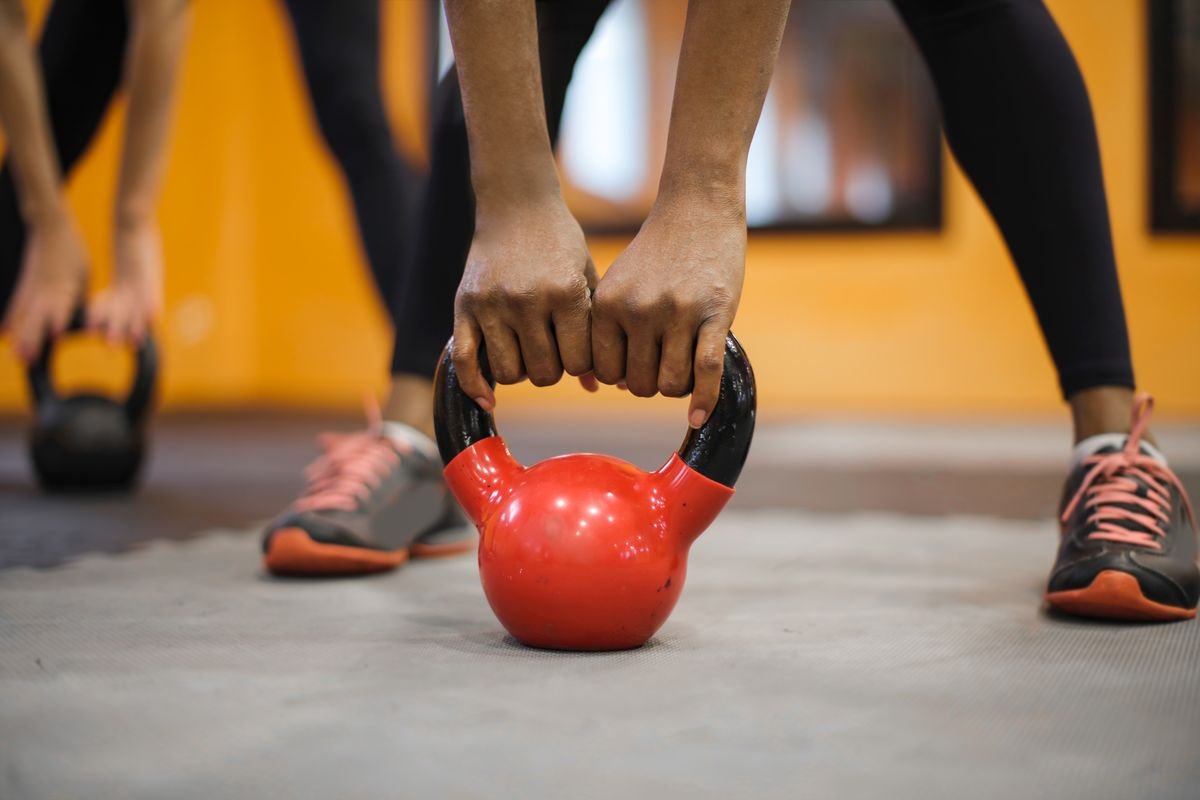
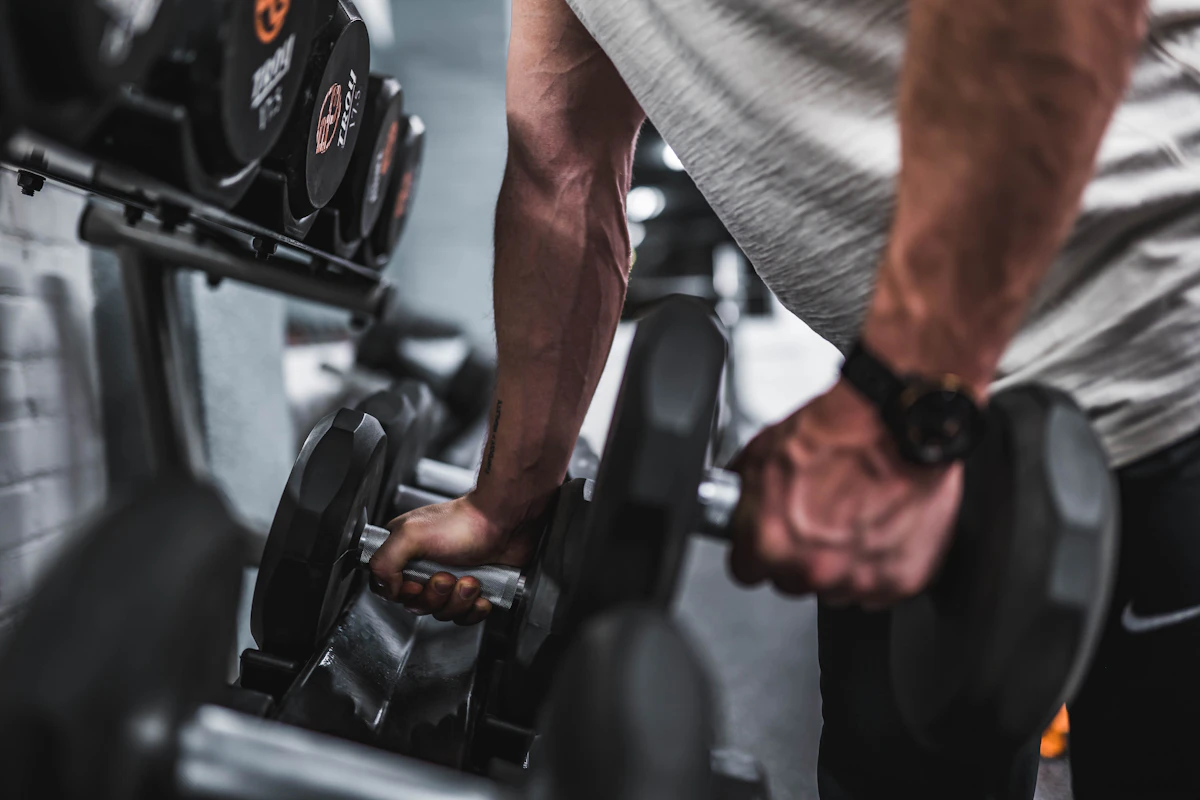
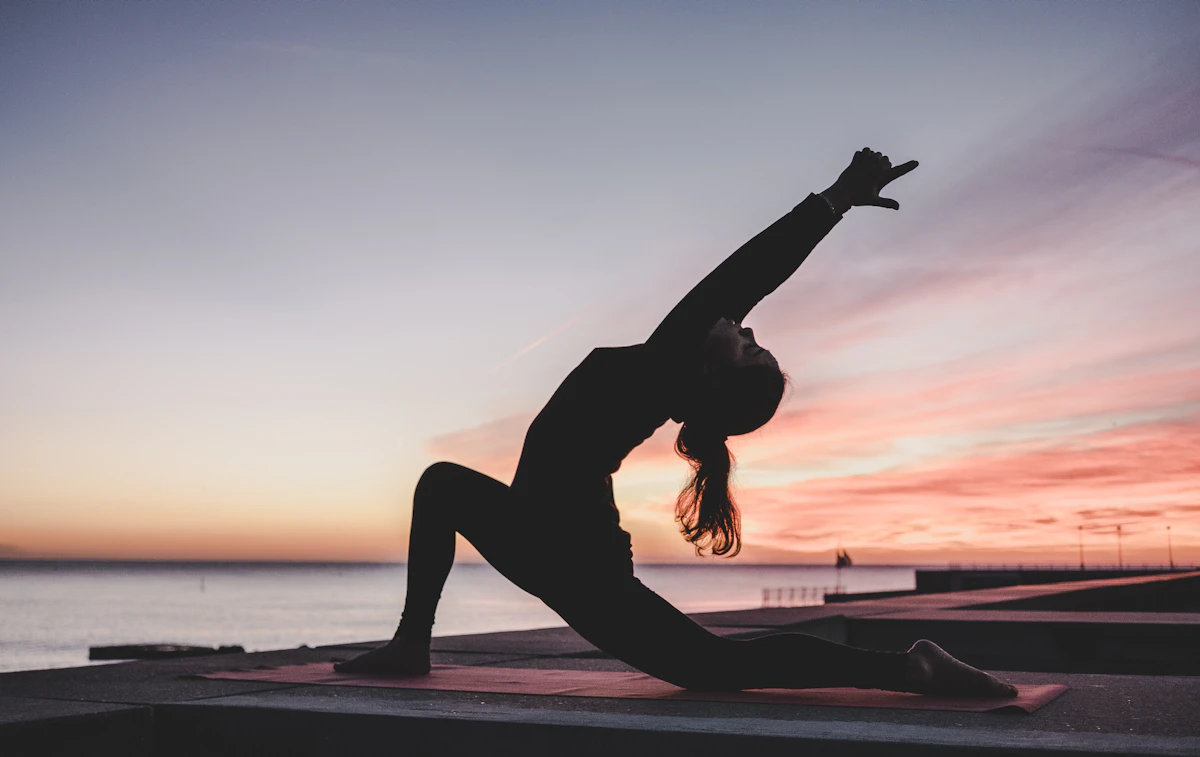
Aerobic exercise builds your heart and lungs: walking, running, cycling, swimming, dancing and rowing. Strength exercise builds muscle and bone: lifting weights, resistance bands, press-ups, squats and carrying shopping. Flexibility exercise keeps you supple: stretching, yoga and pilates. Balance exercise keeps you steady: standing on one leg, tai chi and heel-to-toe walking.
Most people should mix all types across the week: aerobic activity on most days, strength twice a week, and stretching or yoga often. A person who only runs will build endurance but not strength. A person who only lifts will build muscle but not endurance. Variety is the best strategy.
Choose activities you enjoy. You are far more likely to keep a habit you like than one you hate. If you love dancing, dance. If you like gardening, garden hard. If you like company, join a class or a walking group.
How to Start Exercising Safely
Start slowly, especially if you have been inactive. Walk for 10 minutes a day and add 5 minutes each week. Warm up before activity and stretch gently afterwards. Wear supportive shoes, drink water, and exercise at a comfortable pace.
If you have a medical condition, such as heart disease, diabetes or joint problems, talk to your doctor before starting a new program. The doctor can advise on safe activities and any limits. Most people, including most people with chronic conditions, benefit from more movement, and many find their condition improves.
The Mayo Clinic has detailed guidance on starting an exercise program, including how to set goals, choose activities and avoid injury. See the Mayo Clinic exercise guide.
Exercise at Every Age
Children need active play and sport for healthy growth. Teenagers need 60 minutes of daily activity. Adults need the 150-minute guideline. Older adults need the same, plus balance and strength work to stay independent.
It is never too late to start. Studies of people who begin exercising in their 60s, 70s and 80s show they can still gain strength, improve balance and reduce their risk of disease. Exercise is one of the few medicines that works at every age.
Frequently Asked Questions
Why is exercise important for physical fitness? Exercise builds the five parts of fitness — endurance, strength, muscle endurance, flexibility and healthy body composition — and protects the heart, bones, mood and brain.
How much exercise do I need each week? Adults need at least 150 minutes of moderate activity or 75 minutes of vigorous activity, plus muscle-strengthening exercise twice a week.
Can walking count as exercise? Yes. Brisk walking is moderate aerobic exercise and counts toward the 150-minute target, especially if it raises your heart rate and breathing.
Does exercise help with depression? Yes. Regular exercise improves mood, reduces stress and anxiety, and works as well as medicine for mild to moderate depression for many people.
What if I have no time to exercise? Break it into short pieces. Three 10-minute walks a day still count, and everyday movement such as stairs and gardening adds up.
Conclusion
Exercise is an important component of good physical fitness because it trains every system your body needs: a strong heart, capable muscles, dense bones, good balance, a healthy weight, a clear mind and sound sleep. No pill does all of that. The dose is modest — 30 minutes of movement on most days — and the benefits begin from the very first walk. Start small, choose something you enjoy, and keep it going. Your future self will thank you for it.
For more guides from this site, visit the Decorator Advice homepage, browse our Health articles, and read our related guides: How Exercise Positively Affects Environmental Health and Poor Physical Health Affects Social Health. You can also compare your activity plan with a Google search for why exercise is important for physical fitness.
[…] the Tangible Physical Benefits of Warming Up for and Cooling Down from a Workout Activity Explain Why Exercise Is an Important Component of Good Physical Fitness Explain the Difference Between Mass and Weight for Objects on Earth and on the Moon Briefly […]
[…] Explain the Tangible Physical Benefits of Warming Up for and Cooling Down from a Workout Activity Explain Why Exercise Is an Important Component of Good Physical Fitness Explain the Difference Between Mass and Weight for Objects on Earth and on the […]