
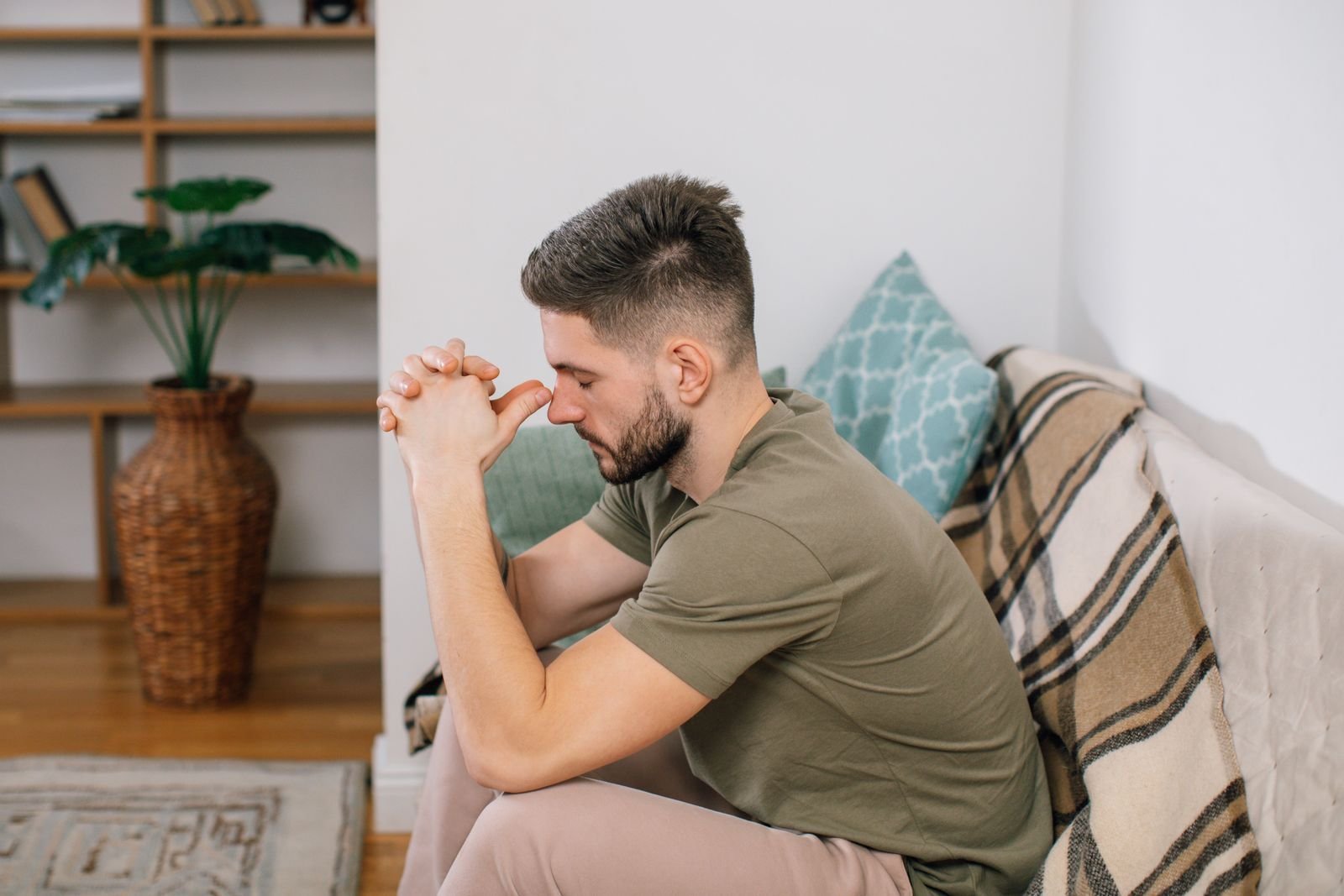
When someone feels unwell for a long time, the hardest part is often not the symptoms themselves. It is the quiet way life starts to shrink: fewer invitations accepted, fewer calls returned, fewer people who really know how you are doing. To explain how poor physical health may affect your social health in one sentence: when your body has less energy, movement or comfort to spare, staying connected becomes harder — and when connection fades, health often gets worse.
This is not a personal failure. It is a normal chain reaction, and it can be slowed and even reversed with small steps. This guide explains both terms, the eight main ways poor physical health affects your social life, how the effect becomes a cycle, and what you can do — starting this week — to protect your relationships. In short, to explain how poor physical health may affect your social health, follow the energy: less energy means fewer visits, fewer calls, and fewer chances to feel close to anyone.
What Is Physical Health?
Physical health is the overall condition of your body and how well it works in daily life: strength, stamina and mobility, sleep, diet, immune function, and whether you live with a long-term condition, injury or disability. Good physical health does not mean a perfect body. It means your body can generally do what you need — walk, work, rest and recover — without constant pain or exhaustion.
Poor physical health means the body is struggling in one or more areas: a chronic condition such as diabetes, heart disease, arthritis or asthma, a recent injury or surgery, ongoing pain, poor sleep, or months of feeling run down. The cause matters less than the effect: everyday life takes more effort, leaving less energy for anything else. See our guide to the 6 dimensions of health.
What Is Social Health?
Social health is your ability to form and keep satisfying relationships, communicate well, ask for and offer support, and feel that you belong. It shows in everyday things: having a friend to call, feeling comfortable at a family gathering, or being part of a team at work. Good social health does not mean being outgoing or having hundreds of friends. A quiet person with two close, trusted relationships can have excellent social health.
Poor social health looks different for everyone, but the signs are familiar: feeling lonely even around other people, avoiding invitations, or feeling like a burden. The World Health Organization defines health as “a state of complete physical, mental and social well-being and not merely the absence of disease or infirmity” — social wellbeing is part of health itself, not an extra. Read more on the WHO website.
Why Physical Health and Social Health Are Connected
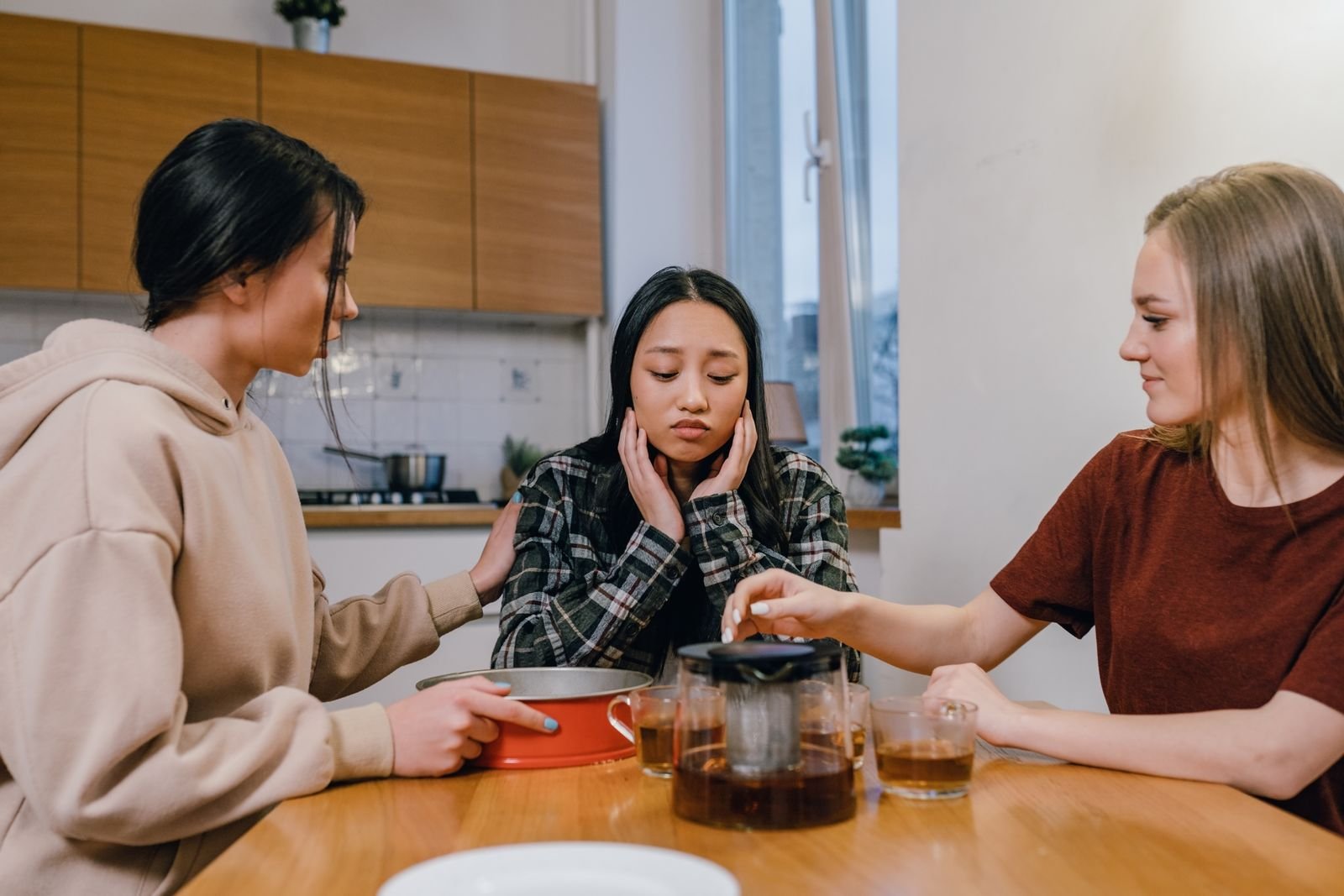
Almost everything social costs something physical: getting dressed and travelling to meet a friend, sitting through a long dinner, concentrating on a conversation, or staying awake until the end of a film. When your body is well, you pay that cost without noticing. When it is struggling, every event comes with a price tag. The link works both ways, and to explain how poor physical health may affect your social health you only have to count the energy each social moment costs.
There is a second link, through mood. Pain, tiredness and worry change how patient, cheerful and confident you feel. Friends may not see the pain; they only see the cancelled plan or the sharp reply. That misunderstanding is where many relationships start to fray. This is why wellness explained as six connected dimensions is so helpful: no dimension works alone. The National Wellness Institute describes six dimensions that influence one another, and physical health and wellness rise and fall with your social, mental, emotional, environmental and spiritual health.
Explain How Poor Physical Health May Affect Your Social Health: 8 Mechanisms
To explain how poor physical health may affect your social health clearly, it helps to name the mechanisms separately. They often overlap, but naming each one makes it easier to fix.
1. Low Energy and Fatigue
Fatigue is one of the most common and underestimated effects. Anaemia, heart disease, diabetes, thyroid problems, autoimmune illness, poor sleep or recovery from surgery can leave a person drained before the day begins. Socialising takes energy — getting ready, travelling, listening — so staying home can feel like the only option.
Example: Sara met her sister for coffee every Saturday, until an underactive thyroid left her falling asleep each afternoon. She cancelled three weeks in a row, and her sister stopped asking. A phone call would have kept the habit alive.
2. Chronic Pain
Pain steals attention, shortens patience and makes sitting, standing or walking feel like an endurance test. People in pain cut conversations short, avoid noisy places, and say no because they cannot predict how they will feel on the day. Over time, friends may stop inviting them.
Example: Ahmed has arthritis in his knees. A friend’s birthday dinner meant an hour’s drive, stairs and a hard chair for two hours. He went once, spent the evening managing pain, and never went again.
3. Mobility Limits
When walking, driving or using public transport becomes difficult, the world gets smaller. A broken leg, a wheelchair, breathlessness or needing frequent rests can turn an ordinary outing into a logistics project. Many people would rather stay home than ask for lifts — so their social world shrinks to whoever comes to them.
Example: After a hip replacement, Mrs. Khan could not manage the steps to her community centre, where she had played cards weekly for ten years. She missed two months before a neighbour offered a lift and the group moved to a ground-floor room.

4. Self-Esteem and Body Image
Illness changes how people look and how they feel about being seen. Weight gain or loss, scars, hair loss, a limp or a medical device can make someone deeply self-conscious. They may avoid photos, parties and meeting new people because they fear judgement, pity or awkward questions.
Example: Bilal gained weight on medication that made him constantly hungry. He stopped going to the gym with friends because he felt embarrassed changing in front of them, then stopped answering messages. His friends thought he was angry.
5. Missed Work, School and Social Events
Poor physical health means missed days: sick leave, appointments, rest days and recovery time. At work or school, that means missed lunches, jokes and projects — the small moments where relationships are built. At home, it means missed weddings, school plays and family meals.
Example: Ayesha, a teacher, missed six weeks of school after surgery. When she returned, colleagues had formed new lunch groups, and she felt like an outsider. Joining one lunch a week helped her find her place again.
6. Isolation and Loneliness
Isolation rarely happens all at once. It builds slowly: one declined invitation, then another, then a week without a real conversation, then a month. Loneliness is not the same as being alone — it is the painful feeling of being disconnected, even among family, if nobody truly understands what you are going through.
Example: Mr. Rahman lives with his adult children, but after his heart condition worsened, he stopped going to the mosque and the park where he met friends. His family assumed he was resting happily at home, but he was lonely every evening.
7. Mood and Irritability
Pain, poor sleep and worry make anyone shorter-tempered. An exhausted person may snap at a partner, lose patience with children, or read a harmless comment as criticism. They may also feel low or anxious, and withdraw because they do not want to be “negative company.” Family and friends may pull back too — deepening the loneliness.
Example: Fatima, recovering from a back injury, argued with her husband over small things — dishes, noise, the television volume. When she explained that constant pain left her with no patience, they changed to quieter evenings and rest before family time.
8. Financial Strain
Poor physical health is expensive. Medical bills, medicines, transport and time off work can quickly eat into a household budget. When money is tight, social life is often cut first: no eating out, no gifts, no trips. Some people feel embarrassed that they cannot keep up with friends’ lifestyles, so they withdraw rather than explain.
Example: Usman cut his working hours after a diagnosis, and his income dropped by a third. He stopped joining friends for weekly cricket and dinner because he could not afford the meal. His friends assumed he had lost interest.
Explain How Poor Physical Health May Affect Your Social Health Over Time: The Cycle
These eight mechanisms rarely act alone. They join into a cycle that keeps turning unless something interrupts it. To explain how poor physical health may affect your social health fully, look at time, not just one bad week:
Stage 1 — Physical: Pain, fatigue or limited movement.
Stage 2 — Social: The person goes out less, cancels more, and sees fewer people.
Stage 3 — Mental and emotional: Loneliness and low mood set in. Sleep worsens, motivation drops, self-esteem falls.
Stage 4 — Physical again: Stress, poor sleep and less movement make the body feel worse. Appointments are missed, recovery slows.
Then the cycle starts again, often a little worse each time. That is why this matters: it is not one missed party, but a slow spiral. The good news is that a cycle can be broken at any stage. You do not have to fix your physical health completely first. The Centers for Disease Control and Prevention notes that social connectedness is linked to better health outcomes; learn more on the CDC website. That is why it is worth learning to explain how poor physical health may affect your social health — once you see the cycle, you can break it at any stage.
Breaking the Cycle: 7 Practical Steps
Once you can explain how poor physical health may affect your social health, you can also explain the way out — and it starts small. Pick just one or two steps.
1. Start Smaller Than You Think
Forget the big reunion. Start with a ten-minute call, a short message, or tea with one person. A short, successful contact beats a grand plan that gets cancelled.
2. Move Within Your Limits
Gentle movement can help body and social life at once — only within what your body allows, and ideally after checking with a healthcare professional. A slow walk with a friend or sitting in a garden together counts. See the Health category for more guides, including exercise and environmental health.
3. Tell People What You Need
Most friends want to help but do not know how. Try: “I would love to see you, but I get tired quickly — could we meet for half an hour near my home?” Clear words prevent the misunderstandings that damage friendships.
4. Adapt the Activity, Not the Friendship
Keep the person, change the plan. If a restaurant is too far, cook together at home. If a walk is too long, meet on a park bench. Video calls, voice notes and group chats are real social contact, not second-best.
5. Keep One Regular Anchor
One regular, low-effort habit protects social health better than occasional big events: a weekly call with a sibling, a Friday coffee with a neighbour, a monthly lunch with a friend. Put it in the calendar, keep it short, and protect it.
6. Accept and Offer Support
Asking for help is not weakness; it is how relationships work. Accept a lift or say yes when a friend offers to visit. Look for small ways to give back, too: a listening ear, an encouraging message, a shared joke. Feeling useful protects against loneliness.
7. Get Professional Support When You Need It
If loneliness, low mood or anxiety persist, or pain and fatigue are worsening, talk to a doctor, nurse, counsellor or a trusted community support service. You do not need a diagnosis to ask for help. Support groups connect you with people who understand first-hand. This article is general information only, not medical advice.
Signs to Notice — in Yourself or Someone You Love
- Cancelling plans often, or not replying to messages
- Saying “I’m fine” while clearly struggling
- Losing interest in hobbies, work or family events
- Feeling lonely, irritable or tearful more often
- Sleeping much more or much less than before
- Avoiding photos or meeting new people
If you notice several signs in yourself, pick one small step from the list above today. If you notice them in someone else, reach out gently: “I have missed you — would a short call this week suit you?”
Frequently Asked Questions
Can poor physical health really affect your social health?
Yes. When your body has less energy, movement or comfort, socialising becomes harder, so people go out less, cancel more and gradually lose touch. The WHO definition of health includes social well-being. In other words, to explain how poor physical health may affect your social health, start with energy: when the body has less to spare, connection is the first thing to shrink.
How do I explain how poor physical health may affect your social health to a friend or family member?
Keep it simple: “When I am in pain or exhausted, even a short visit uses up all my energy, so I stay home — not because I do not care, but because my body will not let me.” Then suggest a short call instead.
Is loneliness a cause or a result of poor physical health?
Both, which is why it forms a cycle. Poor physical health can lead to loneliness, and loneliness is linked to higher stress, poorer sleep and worse health. Breaking the cycle at any point helps both sides.
Can social health improve even if physical health does not fully recover?
Yes. Many people with long-term conditions build strong social lives by adapting activities, keeping one regular contact, using phone and video calls, and being honest about their limits. Social health is about connection, not doing everything you once did.
What is the first step if I have already become isolated?
Start with one person and one small contact: a short message, a five-minute call, or a brief visit. Tell them honestly you have been struggling and would like to stay in touch.
Conclusion
Poor physical health does not only change the body — it changes daily life, relationships and how connected a person feels. Fatigue, pain, limited movement, low confidence, missed events, loneliness and money worries can each push a person further from the people they love, and together they form a cycle that is hard to escape alone. To explain how poor physical health may affect your social health in short: the body sets the limits, and social life shrinks to fit them — unless you act early to hold the connection open.
But cycles can be broken. Small, regular contact, honest conversations, adapted activities and the right support can protect your social health while your body recovers — and a stronger social life can support your body in turn. That is the heart of true wellness: as we explain in our guide to the 6 dimensions of health, the six dimensions work together — and caring for one helps the others. Explore more Health guides on this site. Small steps are how you explain how poor physical health may affect your social health — and how you reverse it, one call, one walk, one honest conversation at a time.
 admin
[…] articles, and read our related guides: How Exercise Positively Affects Environmental Health and Poor Physical Health Affects Social Health. You can also compare your activity plan with a Google search for why exercise is important for […]